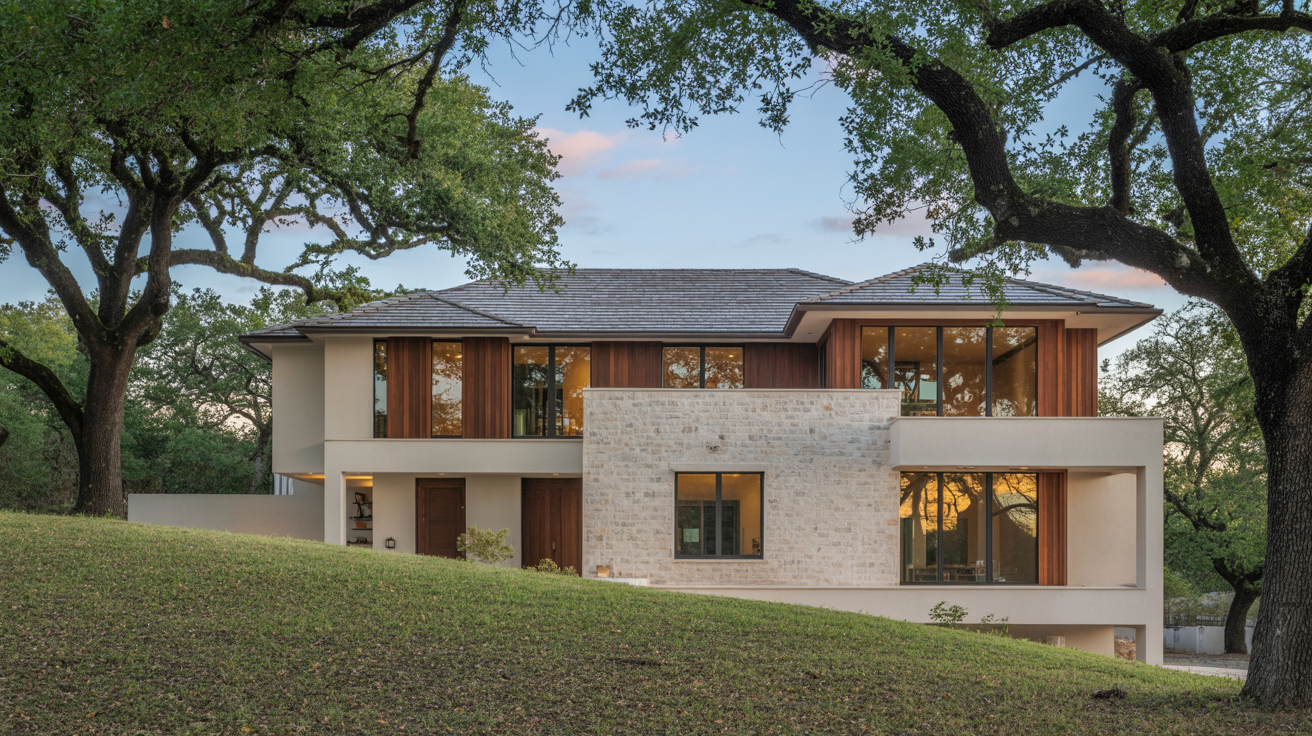
Modern Home Renovation Contractor in Lakeway Guide
Why Choosing the Right Modern Home Renovation Contractor in Lakeway Makes All the Difference
Finding a modern home renovation contractor in Lakeway who truly understands your vision and can deliver quality results is one of the most important decisions you'll make as a homeowner. I'm Chad Burnell, founder of Earth in Motion, Inc., and over my 20-plus years in construction, I've seen countless renovation projects—some that went smoothly and others that turned into nightmares because the contractor wasn't prepared for the unique challenges that come with remodeling homes in Central Texas. The Hill Country around Lakeway has its own personality when it comes to construction work. The rocky terrain, the specific building codes, and the diverse architectural styles you'll find throughout the area all require a contractor who knows what they're doing and brings real experience to the table.
When you're planning a renovation, you're not just thinking about making your home look better. You're investing in your quality of life, your family's comfort, and the long-term value of your property. That's why this decision matters so much. The contractor you choose will directly impact how smoothly your project goes, whether it stays on budget, and whether the finished work stands the test of time. In this article, I'll walk you through what you need to know about modern home renovation work in Lakeway—the questions you should ask, the pitfalls to avoid, and how to set yourself up for a successful project from day one.
Understanding What Makes a Contractor Qualified to Work on Your Lakeway Home
Before we get into the details of renovation work itself, let's talk about the basics that every contractor should have locked down. You wouldn't hire someone to work on your home without knowing they're properly licensed and insured, right? Yet I've met homeowners who skipped this step because they were swayed by a low bid or a smooth sales pitch. That's a recipe for disaster.
Licensing, Insurance, and Legal Protection
In Texas, contractors need proper licensing to operate legally. This isn't just a formality—it's your protection. A licensed contractor has demonstrated competency and accountability to the state. They've shown they understand building codes, safety regulations, and the legal requirements that govern construction work. When you hire a licensed professional, you're working with someone who can be held accountable if something goes wrong.
Insurance is just as critical. Your contractor should carry general liability insurance and workers' compensation coverage. General liability protects you if something on your property gets damaged during the renovation. Workers' comp protects you if someone gets injured while working on your project. Without these protections, you could be personally liable for accidents or damage. I always tell homeowners: ask to see certificates of insurance before you sign anything. A legitimate contractor will provide them without hesitation.
Local Experience in the Greater Austin and Lakeway Area
Here's something many homeowners don't think about until it's too late: local experience matters tremendously. Lakeway and the surrounding Hill Country aren't like other parts of Texas. The soil conditions, the rock formations, the drainage patterns—all of these affect how renovation work needs to be approached. A contractor who's done dozens of projects in Houston or Dallas might struggle with the unique challenges we face here.
During my years working in this area, I've learned how to read the land and anticipate problems before they become expensive surprises. For example, when you're planning a bathroom addition or expanding a kitchen, you need to understand how water moves across your property, especially during our intense rainstorms. Poor drainage planning can lead to foundation issues, water intrusion, and costly repairs down the road. A contractor with deep local experience knows these things instinctively.
Beyond the physical challenges, local contractors understand Lakeway's permitting process and building codes. Every municipality has its own quirks when it comes to approvals and inspections. A contractor who regularly works with the city of Lakeway knows what the inspectors look for, how to submit permits correctly, and how to avoid delays that can push your project timeline back by weeks or even months.
The Range of Services Modern Renovation Contractors Provide
Modern home renovation isn't a one-size-fits-all service. Your needs might be completely different from your neighbor's, and that's why it's important to understand the full scope of what professional renovation work can include. Some contractors specialize in specific areas, while others offer comprehensive services that cover everything from initial design through final construction.
Comprehensive Renovation Services: From Kitchens to Whole-Home Transformations
Let's break down the major categories of renovation work you might be considering. Kitchen and bathroom remodels are among the most popular projects because these spaces have such a huge impact on daily life. A dated, cramped kitchen can make cooking feel like a chore, while a modern, well-designed space can become the heart of your home where family naturally gathers.
Kitchen renovations often involve reconfiguring layouts to improve workflow, updating cabinets and countertops, upgrading appliances, improving lighting, and sometimes removing walls to create open-concept spaces. The complexity of kitchen work comes from coordinating multiple trades—electricians for new circuits and outlets, plumbers for sink and appliance hookups, HVAC technicians if you're changing the layout significantly, and finish carpenters for cabinet installation and trim work.
Bathroom renovations present their own unique challenges. Water management is critical. You're dealing with plumbing, waterproofing, proper ventilation to prevent mold, and tile work that needs to be done right the first time. I've seen plenty of bathroom remodels done by inexperienced contractors where water eventually found its way behind the walls because the waterproofing wasn't done correctly. By the time the homeowner noticed, there was significant damage that required tearing everything out and starting over.
Whole-home renovations take things to another level. These projects involve updating multiple rooms, potentially reconfiguring floor plans, upgrading electrical and plumbing systems throughout the house, and ensuring everything works together as a cohesive design. The coordination required for whole-home work is intense. You're essentially orchestrating a complex dance where different trades need to come in at exactly the right times, materials need to arrive when they're needed, and inspections need to happen at specific milestones.
The Design-Build Approach and Why It Matters
You'll hear some contractors talk about being "design-build" firms. This means they handle both the design phase and the construction phase under one roof. There's a traditional approach where you hire an architect or designer separately, they create plans, and then you hire a contractor to build what was designed. The design-build model combines these steps.
The advantage of design-build is streamlined communication. When the same team handling design is also doing the construction, there's no disconnect between what looks good on paper and what's actually buildable. The designers understand construction realities—what's expensive, what's structurally sound, what will cause problems during the build. This can save you time and money because you're not going back and forth with design changes once construction starts.
However, the design-build model means you're putting significant trust in one company. You're relying on their design aesthetic, their material choices, and their construction quality all at once. That's why it's crucial to review their portfolio carefully and make sure their style aligns with your vision. Some homeowners prefer keeping design and construction separate so they have more control over each phase. There's no universal right answer—it depends on your priorities, your comfort level with project management, and how much control you want over the process.
How Professional Project Management Keeps Your Renovation on Track
Here's a truth about renovation work that many homeowners learn the hard way: the difference between a successful project and a disaster often comes down to project management. The actual construction work—the carpentry, the plumbing, the electrical—is important, obviously. But coordinating all those moving parts, keeping the timeline on schedule, managing the budget, and solving problems as they arise? That's where experienced contractors really prove their value.
Setting Realistic Timelines and Managing Expectations
One of the biggest sources of frustration I see with homeowners is unrealistic timeline expectations. They see a kitchen renovation on a TV show that gets done in three weeks, and they assume their project will follow the same schedule. The reality is more complicated.
Several factors affect how long a renovation takes. The scope of work is the obvious one—a small bathroom refresh will be faster than a full kitchen gut-and-rebuild. But there are other variables that homeowners don't always consider. Permit approval times can vary. Material delivery schedules aren't always predictable, especially for custom items like cabinets or special-order tiles. Weather affects exterior work and can delay interior progress if materials can't be delivered or certain phases can't start until exterior work is complete.
Then there are the surprises you discover once you start opening walls. I've lost count of how many times we've started a renovation only to find outdated electrical that needs upgrading, plumbing that's corroded and needs replacement, or structural issues that weren't visible until demolition began. These discoveries aren't anyone's fault—they're just the reality of working with existing structures. A good contractor builds buffer time into the schedule for exactly this reason.
When I work with homeowners, I'm upfront about realistic timelines from the beginning. I'd rather under-promise and over-deliver than set false expectations that lead to disappointment. Part of professional project management is communicating clearly about what's achievable and what factors might cause delays. Homeowners appreciate honesty far more than optimistic guesses that turn out to be wrong.
Communication Protocols That Keep Everyone Aligned
Communication during a renovation can make or break the experience. You're living through construction happening in your home. There's noise, dust, strangers coming and going, and constant questions that need answers. Without clear communication systems, this becomes chaotic and stressful.
I establish communication expectations right at the start of every project. How often will we check in? What's the best way to reach me if you have questions? How will I keep you updated on progress? What happens if we discover something unexpected that requires a decision?
Some contractors do daily check-ins, others prefer weekly updates. The right frequency depends on the project and the homeowner's preferences. What matters most is consistency. If I say I'll update you every Friday afternoon, you should be able to count on that update arriving every Friday afternoon. When surprises come up—and they always do—immediate communication is essential. You shouldn't find out about a major problem or a needed change by stumbling across it when you come home from work.
Documentation is another key piece of communication. Everything important should be in writing. Design decisions, material selections, change orders, timeline adjustments—if it matters, it should be documented. This protects both you and the contractor. Memories get fuzzy, especially during the stress of a renovation. Written records eliminate disputes about what was agreed to.
What Drives the Cost of Modern Home Renovation Work
Let's talk about money. This is often the most uncomfortable part of the renovation conversation, but it's one of the most important. You need to understand what influences costs so you can make informed decisions about where to invest your budget.
The Factors That Influence Your Project Investment
Several elements drive how much a renovation costs. The first is the size and scope of work. A small powder room update costs less than a master bathroom expansion. A kitchen refresh where you're keeping the existing layout costs less than a full reconfiguration where walls are moved and plumbing is relocated. This might seem obvious, but it's worth stating clearly: bigger, more complex projects require more time, more materials, and more coordination, which all increase costs.
Material selection is another major cost driver. There's a massive range in material costs depending on what you choose. Laminate countertops versus engineered quartz versus natural stone—each step up in quality and durability comes with increased cost. The same goes for flooring, cabinetry, fixtures, appliances, tile, and every other finish material in your project. Premium materials often cost two, three, or even five times more than standard options.
Here's where experienced contractors add value: we can help you understand where it makes sense to invest in premium materials and where you can save money without sacrificing quality. Some elements of a renovation are structural or functional—these aren't places to cut corners. Other elements are purely aesthetic, and there might be mid-range options that give you the look you want without the premium price tag.
Labor complexity affects cost significantly. Some work is straightforward and moves quickly. Other work requires specialized skills, precise execution, and simply takes more time. Custom tile work with intricate patterns, for example, requires patient craftsmanship and can't be rushed. Built-in cabinetry designed to fit specific spaces needs careful measuring and custom construction. These labor-intensive elements cost more than standard, off-the-shelf solutions.
Local building codes and permitting requirements can also impact costs. If your renovation triggers requirements for system upgrades—bringing electrical service up to current code, for example, or upgrading plumbing to modern standards—those aren't optional expenses. They're necessary for safety and legal compliance. In Lakeway, depending on the scope of work, you might need various permits and inspections, and the work needs to be done to code. A contractor who's familiar with local requirements can help you budget for these elements accurately.
Hidden Challenges and Why Contingency Budgets Matter
One of the most difficult conversations I have with homeowners is about contingency budgets. Nobody wants to hear that they should set aside an extra 10 to 20 percent of their budget for surprises. But in renovation work, surprises are almost guaranteed.
When you're working with an existing structure, you're dealing with decades of hidden history. Previous owners might have made changes that weren't done correctly. Materials deteriorate over time in ways you can't see until walls are opened. Building standards have changed over the years, and what was acceptable 30 or 40 years ago might not meet today's codes.
I've worked on projects where we discovered termite damage behind walls, where we found plumbing that was on the verge of failure, where electrical work was done dangerously by a previous DIY owner. None of these things were visible during the planning phase. They only became apparent once we started the actual construction work.
A contingency budget isn't padding or waste—it's realistic planning. It means that when we do encounter a problem that needs addressing, we can deal with it properly without derailing your entire project. The alternative is stopping work while you scramble to find more money, or worse, making compromises that create long-term problems just to stay within a too-tight budget.
The Critical Questions You Should Ask Before Hiring Any Contractor
Now that you understand what goes into quality renovation work, let's talk about how to evaluate contractors. The questions you ask during your initial conversations will tell you a lot about whether a contractor is right for your project.
Verifying Experience and Reviewing Past Work
Start with the basics: How long have you been doing renovation work in the Lakeway area? Can you show me examples of projects similar to what I'm planning? Can I speak with previous clients?
Any contractor worth hiring should have a portfolio of completed work they can show you. Pay attention to the quality of craftsmanship, the attention to detail, and whether their aesthetic aligns with what you're hoping to achieve. Real project photos from actual jobs are far more valuable than generic marketing images.
Speaking with previous clients gives you insight you can't get any other way. Ask them about communication—was the contractor responsive? Did they show up when they said they would? How did they handle problems that came up? Would they hire this contractor again? These conversations often reveal important information about what it's actually like to work with a contractor day to day.
Understanding the Project Management Process
Ask detailed questions about how the contractor manages projects: What's your typical timeline for a project like mine? How do you handle permitting and inspections? Who will actually be doing the work—your employees or subcontractors? How do you coordinate different trades? What happens if we discover unexpected problems during construction?
The answers to these questions tell you whether a contractor has systematic processes in place or if they're winging it. Professional contractors have clear methodologies for managing projects. They can explain their process step by step. They've thought through the typical challenges that arise and have strategies for handling them.
Also ask about change orders specifically: How do you handle changes to the original scope? What's the process for approving additional work? How quickly can you provide pricing for changes? Change orders are where many contractor-client relationships break down, so understanding the process upfront is crucial.
Clarifying Communication and Documentation
Don't be shy about asking how communication will work: How often will you update me on progress? What's the best way to reach you if I have questions? Will you be personally involved in the project or will I be dealing with a project manager? How do you document decisions and changes?
You want a contractor who takes communication seriously and has clear systems for keeping you informed. If a contractor is vague about communication or seems annoyed by these questions, that's a red flag. Professional contractors understand that good communication is essential to client satisfaction.
Why Long-Term Thinking Matters More Than Short-Term Savings
As we near the end of this discussion, I want to emphasize something that's easy to overlook when you're focused on getting a project done: the decisions you make during your renovation will affect your home for decades.
The Real Cost of Cutting Corners
Every contractor has seen homeowners choose the cheapest option and regret it later. Maybe they went with a low bidder who did shoddy work that needed fixing within a year. Maybe they skimped on materials that wore out prematurely. Maybe they avoided necessary foundation work that eventually caused bigger, more expensive problems.
I'm not saying you need to choose the most expensive everything. But your decisions should be based on value, not just initial cost. A higher-quality installation done right the first time costs more upfront but saves money over time because it lasts longer and performs better. Proper waterproofing in a bathroom, for example, might cost more than cutting corners, but it prevents water damage that could cost tens of thousands to repair.
The same principle applies to choosing a contractor. The lowest bid might seem attractive, but if that contractor lacks proper insurance, uses inexperienced workers, or doesn't follow building codes, you're taking on significant risk. Professional contractors cost more because they're investing in quality workmanship, proper materials, legal compliance, and the experience to do the job right.
Building a Home That Serves Your Life
The best renovations aren't just about making a house look nicer. They're about creating spaces that genuinely improve how you live. A well-designed kitchen makes cooking more enjoyable and brings family together. A thoughtfully renovated bathroom becomes a retreat where you can relax. An addition gives you the space you need without having to move.
This is why the planning phase matters so much. Before any demolition happens, before any materials are ordered, you should have clear answers to fundamental questions: How will this space be used? What problems are we solving? What activities need to happen here? What frustrates you about the current setup?
Good contractors ask these questions because they understand that successful renovations start with understanding your goals. The design and construction should flow from those goals, not the other way around. You're not renovating to check boxes or follow trends—you're investing in your home to make it work better for how you actually live.
Moving Forward With Your Modern Home Renovation in Lakeway
If you're planning a renovation project, you now have a foundation for making informed decisions. You understand what qualifications matter in a contractor. You know what questions to ask. You have realistic expectations about timelines, costs, and the factors that influence both. You recognize the importance of communication and project management.
The next step is taking action. Start by clearly defining what you want to accomplish. Be specific about your goals, your budget, and your timeline. Then begin interviewing contractors. Don't rush this process—take the time to speak with multiple professionals, review their work, and check their references.
Remember that your home is likely your largest financial investment and the place where you spend most of your time. The contractor you choose to work on it should be someone you trust, someone with proven experience, and someone who takes your project as seriously as you do. At Earth in Motion, we've built our reputation on honest communication, quality craftsmanship, and solving problems for homeowners throughout Central Texas. Whether you're considering a single room update or a comprehensive transformation, the principles I've outlined here will serve you well in finding the right modern home renovation contractor in Lakeway for your project.
Frequently Asked Questions About Modern Home Renovation in Lakeway
What makes Earth in Motion different from other renovation contractors in the Lakeway area?
As founder of Earth in Motion, I bring over 20 years of specialized experience working with the unique challenges of Central Texas construction. We understand the rocky terrain, drainage patterns, and building codes specific to Lakeway and the greater Austin area. Our approach focuses on solving the real problems homeowners face—from cramped kitchens that don't function well for family life to bathrooms with outdated layouts that waste space. We handle everything from initial design through final construction, ensuring seamless communication and coordination throughout your project. Most importantly, we build contingency planning and realistic timelines into every project because we know that renovation work in existing homes always presents surprises that need professional solutions.
How do you handle unexpected problems that come up during renovation work?
Unexpected discoveries are almost guaranteed when working with existing structures in the Hill Country. We've found everything from outdated electrical systems to hidden water damage to structural issues that weren't visible until walls were opened. That's why I always discuss contingency budgets with homeowners upfront—typically 10 to 20 percent of the project budget set aside for these realities. When problems arise, I communicate immediately with detailed explanations of what we found, why it needs addressing, and what our recommended solution involves. We document everything in writing and get approval before proceeding. This systematic approach means problems get solved properly without derailing your entire project timeline or budget.
What factors determine the cost of my renovation project?
Several key elements influence your project investment. The size and scope of work is fundamental—a small bathroom refresh requires different resources than a full kitchen reconfiguration. Material selection creates significant cost variation, from standard options to premium finishes that might cost three to five times more. Labor complexity matters tremendously; custom tile work and built-in cabinetry require specialized craftsmanship that takes more time than standard installations. Local building codes in Lakeway sometimes trigger requirements for system upgrades to bring electrical or plumbing up to current standards. The condition of your existing structure affects costs because older homes often need foundational work or system updates that weren't visible during initial planning. I help homeowners understand where premium investments make sense for long-term value and where mid-range options deliver the aesthetic you want without unnecessary expense.
How long will my renovation project take from start to finish?
Project timelines depend on multiple factors that I evaluate during our initial planning phase. The scope of work is the primary driver—a kitchen refresh keeping the existing layout moves faster than a full reconfiguration requiring wall removal and plumbing relocation. Permit approval times in Lakeway vary depending on project complexity and current city workload. Material delivery schedules affect timing, especially for custom items like cabinetry or special-order finishes. Weather impacts both exterior work and interior progress when materials can't be delivered safely. Most significantly, the discoveries we make once walls are opened often require addressing outdated systems or structural issues. I build buffer time into every schedule because realistic planning leads to better outcomes than optimistic guesses. During our project planning, I'll provide specific timeline estimates based on your particular scope of work and current conditions.
Do you handle the entire process from design through construction completion?
Yes, Earth in Motion operates as a design-build firm, meaning we handle both the design phase and construction under one roof. This approach eliminates the disconnect that often happens when architects create plans without understanding construction realities. Our design team knows what's expensive, what's structurally sound, and what will cause problems during the build phase. We coordinate all permits and inspections required by the city of Lakeway, manage the scheduling of electrical, plumbing, and HVAC work, and ensure every trade understands how their work fits into the overall project. You'll have a single point of contact throughout the process—me—rather than juggling communication between separate design and construction teams. This streamlined approach saves time and prevents the miscommunication that often leads to costly delays or change orders during construction.
Hire Us