Modern Home Renovation Contractor in Dripping Springs TX
When you're thinking about updating your home in Dripping Springs, finding the right modern home renovation contractor in Dripping Springs means more than just hiring someone who can swing a hammer and follow blueprints. After spending over twenty years in construction and founding Earth in Motion back in 2005, I've learned that renovating a home in this particular corner of the Texas Hill Country requires a completely different approach than standard construction work. You're dealing with unique terrain, specific community standards, and a landscape that demands respect and understanding.
Let me share something with you from my experience. Dripping Springs sits right at the gateway to the Hill Country, and that location creates challenges most contractors never think about until they're knee-deep in a project. I've worked on properties here where we discovered septic systems that needed complete redesign, soil conditions that changed our foundation approach entirely, and HOA restrictions that required us to rethink our material choices halfway through planning. These aren't problems you solve with generic solutions or cookie-cutter approaches.
Why Dripping Springs Renovation Work Is Different From Standard Construction
You need to understand something fundamental about this area. Dripping Springs isn't like working in a typical suburban development where every lot is flat, every utility connection is standardized, and every permit process follows the same script. This community has its own character, and that character shows up in every aspect of renovation work.
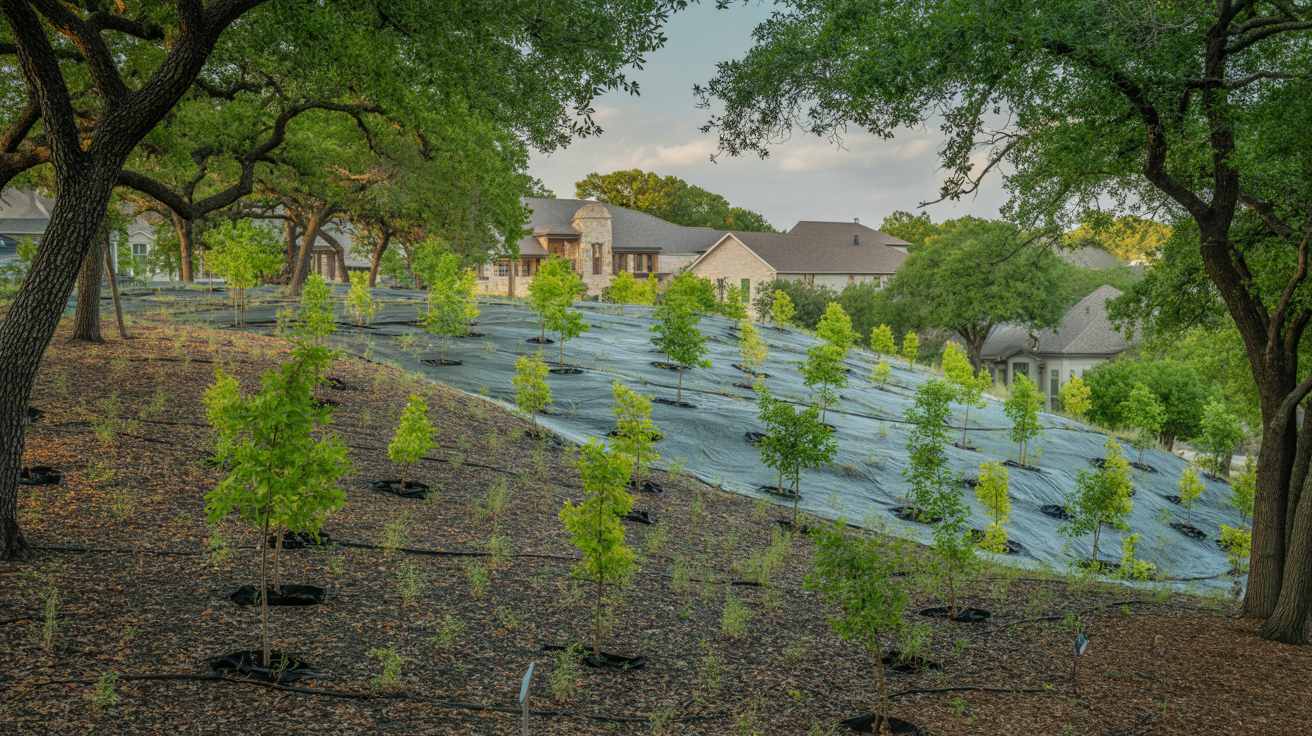
The Hill Country terrain creates immediate challenges. I've worked on properties where the land slopes dramatically, where limestone outcroppings dictate where you can and cannot build, and where drainage patterns become the primary design consideration before we even talk about aesthetics. Your contractor needs to walk your property and understand how water moves across the land, how the soil composition affects foundation work, and how the natural topography will influence every decision from site preparation to final grading.
Then there's the infrastructure reality. Many properties here operate on septic systems rather than municipal sewers. That's not just a technical detail—it fundamentally changes how we approach bathroom additions, kitchen remodels that relocate plumbing, or any project that increases your home's water usage. I've seen contractors from outside the area completely underestimate the complexity of septic system integration, leading to expensive corrections and project delays that could have been avoided with proper planning.
The environmental considerations matter deeply in this community. Dark sky compliance for outdoor lighting isn't just a suggestion—it's part of maintaining the Hill Country character that makes Dripping Springs special. Water conservation isn't optional when you're dealing with limited groundwater resources and a community committed to environmental stewardship. These factors need to be built into your project from day one, not added as afterthoughts.
The Real Questions You Should Ask Before Starting Your Renovation
Over the years, I've noticed that homeowners often focus on the wrong questions when they're evaluating contractors. They ask about timeline and budget—which are important—but they skip the fundamental questions that actually determine whether a project succeeds or becomes a nightmare.
Understanding Local Experience and Regional Knowledge
Start by asking about specific experience in Dripping Springs and Hays County. A contractor who's built a hundred homes in Houston has valuable construction skills, but those skills don't automatically translate to understanding how Hill Country properties function. You want someone who knows the local building codes, understands the permitting process with county officials, and has relationships with inspectors who know the area's specific requirements.
Ask about septic system experience directly. How many projects has the contractor completed that involved septic integration or modification? What challenges have they encountered, and how did they solve them? A vague answer here should raise immediate concerns, because septic work requires specialized knowledge that generic contractors often lack.
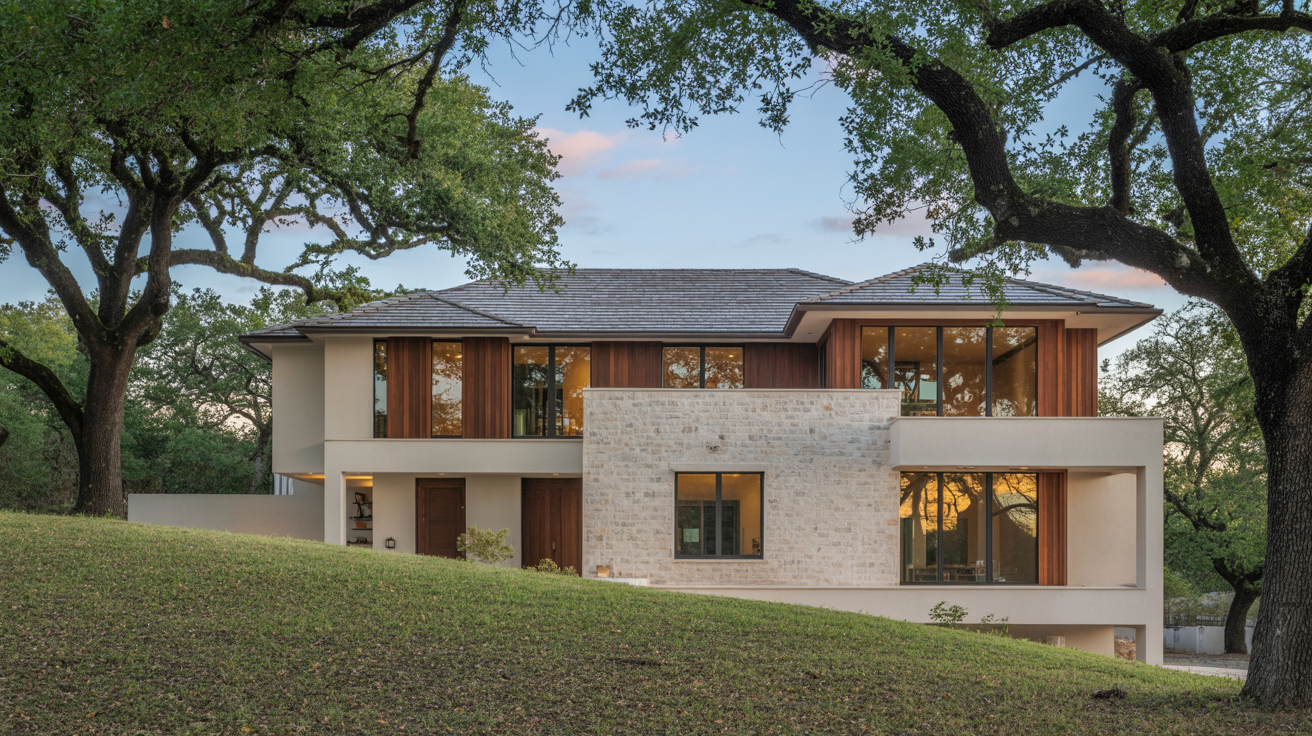
Find out about their experience with the rustic-modern aesthetic that defines quality Hill Country design. Can they show you projects where they've successfully integrated natural stone and wood elements with contemporary architectural features? Have they created outdoor living spaces that enhance rather than compete with the natural landscape? The portfolio should demonstrate understanding of how modern design principles work within this specific regional context.
Evaluating Project Management and Communication Approach
Ask how the contractor handles permitting, HOA coordination, and inspections. This isn't just administrative busy work—it's the framework that keeps your project legal and moving forward. Structural changes, electrical system upgrades, and plumbing modifications all require permits. Many Dripping Springs communities have HOA restrictions on exterior colors, materials, additions, and even alternative energy installations like solar panels.
Your contractor needs to manage these complexities for you. They should have established processes for securing permits, coordinating HOA approvals, and scheduling inspections at appropriate project stages. If they're expecting you to handle these details yourself, or if they're vague about their administrative capabilities, you're looking at potential project delays and compliance problems down the road.
Communication structure matters more than most homeowners realize until a project goes sideways. Ask about their specific communication process. How often will you receive updates? What happens when you have questions or concerns? How do they handle decisions that need to be made during construction? At Earth in Motion, we maintain regular contact throughout projects because construction always involves unexpected conditions and decisions that require immediate client input.
Verifying Credentials and Understanding Scope Definition
Licensing and insurance verification should be non-negotiable. Any contractor working on your property needs current general liability insurance and appropriate licensing. Lack of proper documentation isn't just a red flag—it's a sign you should walk away immediately. You're exposing yourself to liability and risk that no cost savings could justify.
Scope definition and pricing transparency separate professional contractors from those who will create problems. You need a detailed, written scope of work that itemizes exactly what's included in your project. Vague estimates or verbal agreements without documentation create situations where you and the contractor have completely different understandings of what's being delivered.
The payment schedule should align with project milestones, not arbitrary dates or upfront demands for large deposits. Professional contractors structure payments around completed work phases—you pay for site preparation when site work is done, you pay for framing when framing is complete, and so on. This structure protects both parties and ensures accountability throughout the project.
How Hill Country Terrain and Conditions Affect Your Renovation Approach
Let me give you a specific example from a project we completed west of Dripping Springs. The homeowners wanted to add a primary suite and expand their outdoor living area. On paper, it seemed straightforward—add square footage to one end of the house and extend the back patio. But when we did the site assessment, we discovered the property had significant drainage issues that weren't visible from casual observation.
The land sloped toward the existing foundation, creating water flow patterns that would have been dramatically worsened by the addition. We had to completely redesign the approach, incorporating French drains, modified grading, and careful attention to how the new construction would affect water movement across the property. A contractor without Hill Country experience might have built the addition as planned and created a flooding problem that would have cost tens of thousands to correct later.
The soil composition here varies dramatically even within individual properties. We've worked on sites where we encountered solid limestone bedrock two feet below the surface in one area and expansive clay soil in another section just fifty feet away. These conditions affect foundation design, drainage solutions, and even landscaping approaches. Your contractor needs to anticipate these variations and plan accordingly, not discover them after work has started.
Septic Systems and Infrastructure Considerations
Septic system integration deserves special attention because it's one of the most commonly misunderstood aspects of Hill Country renovation. When you're adding bathrooms, relocating kitchens, or significantly increasing your home's square footage, your existing septic system may not have the capacity to handle the additional load.
A proper evaluation requires understanding your current system's design capacity, the condition of the drain field, the soil absorption characteristics, and the regulatory requirements for modifications. Some renovations require septic system upgrades or even complete replacement. This isn't work you want to discover is necessary after you've already started your interior remodel.
At Earth in Motion, we assess septic capacity early in the planning process. We coordinate with septic specialists to evaluate whether your planned renovation requires system modifications, and we build those requirements into the project timeline and budget from the beginning. This proactive approach prevents the nightmare scenario where you're halfway through a kitchen remodel and discover you need to pause everything for septic work.
Working With HOA Requirements and Community Standards
Many Dripping Springs neighborhoods have homeowner associations with specific architectural guidelines and approval processes. These requirements aren't just bureaucratic annoyances—they exist to maintain community character and protect property values. But they do add complexity to renovation projects that requires careful navigation.
Exterior changes often face the most scrutiny. Material selections, color choices, additions that alter the home's profile, and outdoor structures like pools or guest houses typically require HOA approval before work begins. The approval process takes time, and your contractor needs to account for this timeline in project planning.
I've worked on projects where HOA requirements significantly influenced our design approach. In one case, the association had strict guidelines about exterior materials that required us to source specific stone and ensure color consistency across the entire project. This wasn't a problem—it just required advance planning and coordination that wouldn't have been necessary on a property without HOA restrictions.
Understanding What Drives Renovation Costs in Dripping Springs
Homeowners always want to understand project costs, which makes complete sense. You're making a significant investment, and you need to budget appropriately. But cost discussions need to focus on the factors that drive expenses rather than arbitrary numbers, because every property and every project presents unique conditions that affect the final budget.
Project Scope and Structural Complexity
The fundamental cost driver is what you're actually trying to accomplish. A cosmetic kitchen update that refreshes cabinets, countertops, and appliances without moving plumbing or modifying the layout costs dramatically less than a complete kitchen renovation that relocates the sink, adds an island, removes a wall, and upgrades electrical service to handle new appliances.
Structural modifications add complexity and cost. Removing load-bearing walls requires engineering assessment, proper support beam installation, and permits. Adding square footage involves foundation work, roofing, exterior finishing, and coordination of all the systems—electrical, plumbing, HVAC—that need to extend into the new space. The more you're changing the fundamental structure of your home, the more complex and expensive the project becomes.
Age and condition of your existing home factor significantly into costs. Older properties often require system upgrades to meet current building codes. We might discover electrical panels that need replacement, plumbing that should be updated while walls are open, or structural issues that need correction before we can proceed with your planned renovation. These aren't unnecessary expenses—they're essential corrections that ensure your renovated home functions properly and safely.
Material Selections and Finish Quality
Your material choices drive a significant portion of project costs. Custom cabinetry costs substantially more than stock options. Natural stone countertops vary widely in price depending on the specific stone you select. Flooring choices range from basic materials to premium options with proportional cost differences.
But material selection isn't just about aesthetics—it's about durability and appropriateness for the Hill Country environment. Exterior materials need to withstand intense summer heat, occasional severe weather, and the specific maintenance challenges of this region. We guide clients toward materials that balance their aesthetic preferences with practical considerations about long-term performance.
The integration of natural materials like stone and wood requires specialized craftsmanship. Working with these materials takes more time and skill than standardized installations, but the result is the authentic Hill Country aesthetic that makes homes in this area distinctive. You're paying for craftsmanship and expertise that creates lasting quality rather than just completing a checklist of tasks.
Site Conditions and Terrain Challenges
Your specific property conditions directly affect project costs in ways that aren't always obvious during initial planning. Properties requiring extensive land leveling, significant excavation, or complex drainage solutions involve site work expenses that wouldn't apply to flat lots with straightforward conditions.
Access to your property matters. Some Hill Country properties have narrow roads or steep driveways that complicate material delivery and equipment access. We've worked on sites where we needed specialized equipment to get materials to the construction area, or where we had to schedule deliveries carefully to avoid impacting neighbors or damaging landscaping. These logistics add time and cost to projects.
Foundation work varies based on soil conditions. Expansive clay soils require different foundation approaches than properties with limestone bedrock near the surface. Some sites need extensive soil stabilization or specialized foundation designs to ensure structural integrity. Your contractor needs to assess these conditions and plan appropriately rather than discovering foundation challenges after work begins.
Permitting, Design, and Administrative Requirements
The administrative aspects of renovation projects represent real costs that need to be budgeted appropriately. Permit fees, design services, engineering assessments, and project management all add to the total investment, but they're essential for successful project completion.
Professional design services ensure your renovation achieves your vision while maintaining structural integrity and code compliance. Engineering assessments provide crucial information about load-bearing capacities, foundation requirements, and structural modifications. These aren't optional expenses—they're fundamental to doing the work correctly.
Project management coordination represents value even though it's not visible in the finished product. Someone needs to schedule subcontractors, coordinate inspections, manage material deliveries, solve problems as they arise, and keep the project moving forward. Quality project management prevents the delays and complications that cost far more than the management fee itself.
Approaching Renovation as a Partnership Rather Than a Transaction
The most successful renovation projects I've completed over the past two decades share a common characteristic—they were genuine partnerships between homeowner and contractor rather than transactional relationships. When you approach renovation as a partnership, the entire process works differently, and the outcomes are substantially better.
Client Involvement and Collaborative Decision-Making
Your contractor should structure the project to involve you at key decision points while not overwhelming you with every minor detail. You need to be consulted when design choices affect your home's functionality or appearance, when unexpected conditions require approach modifications, or when material selections need approval. But you shouldn't be contacted daily for trivial decisions that your contractor should handle independently.
Design visualization tools help ensure we're aligned on the vision. At Earth in Motion, we work with 3D rendering capabilities that let you see proposed changes before we start construction. This preview process catches design issues early when they're easy to adjust, rather than after we've already built something that doesn't meet your expectations.
Regular progress updates keep you informed without requiring constant job site presence. We establish communication schedules that work for your life—some clients want weekly meetings, others prefer quick daily text updates with periodic in-person reviews. The key is establishing clear expectations about how and when communication happens.
Problem-Solving When Unexpected Conditions Arise
Every renovation project encounters some unexpected conditions. We might discover water damage that wasn't visible until we removed drywall, find electrical systems that need updating, or encounter site conditions that require approach modifications. How your contractor handles these situations determines whether they become minor adjustments or major problems.
Transparent communication about unexpected conditions is essential. When we discover something that affects timeline or budget, we stop, assess the situation, and provide you with clear information about what we found, why it matters, and what the solutions look like. You shouldn't be surprised by change orders or timeline adjustments—you should be involved in the decision-making process.
Budget discipline matters even when handling unexpected conditions. We look for solutions that address the problem without creating unnecessary expense. Sometimes that means creative problem-solving to work around issues, other times it means straightforward corrections that need to be completed. But the approach is always about solving your problem efficiently rather than maximizing the change order value.
Post-Project Support and Long-Term Relationship
Your contractor's responsibility doesn't end when the final inspection passes. Quality contractors stand behind their work with clear warranty structures and ongoing accessibility for questions or concerns that arise after project completion.
We provide maintenance guidance specific to the materials and systems we installed. Hill Country properties have particular maintenance needs related to the environment and climate. Understanding how to care for your renovated spaces ensures they continue performing well and looking great years after we finish the work.
The goal is building relationships that extend beyond individual projects. Many of our clients return for additional work years later, or refer friends and family because they trust the quality and integrity we brought to their original project. That trust comes from prioritizing client satisfaction over short-term profit, maintaining transparency throughout the process, and delivering results that exceed expectations.
Making the Decision That Sets Your Renovation Up for Success
Selecting your renovation contractor is the single most important decision you'll make in the entire project. Everything else flows from that choice—the project timeline, the communication experience, the quality of completed work, and your satisfaction with the final result.
Take time to evaluate contractors thoroughly. Review their portfolios with attention to projects similar to yours in scope and style. Check references, and ask specific questions about how the contractor handled challenges and communicated throughout the work. Verify credentials and insurance coverage. And most importantly, assess whether the contractor understands the specific requirements and characteristics of working in Dripping Springs.
The cheapest bid isn't usually the best value. Contractors who significantly underbid competitors either missed important aspects of the scope, plan to cut corners during execution, or don't have the experience to accurately estimate the work. Quality construction costs what it costs—trying to force unrealistic budgets just creates problems during the project.
Trust your instincts about communication and compatibility. You'll be working closely with this contractor for weeks or months. If you don't feel comfortable with their communication style, or if you sense they're not really listening to your vision, those concerns won't improve during the project. Find a contractor who treats you as a partner, communicates clearly, and demonstrates genuine interest in understanding your goals.
After over twenty years in construction and countless projects across the Hill Country, I can tell you that success comes from combining technical expertise with honest communication and genuine commitment to client satisfaction. At Earth in Motion, that's been our approach since we started in 2005, and it's guided every project we've completed. Whether you're planning a complete home transformation or focused renovations to specific areas, choosing the right modern home renovation contractor in Dripping Springs determines whether your project becomes a source of pride or a cautionary tale.
Frequently Asked Questions About Modern Home Renovation in Dripping Springs
What makes renovating in Dripping Springs different from other areas?
Dripping Springs sits at the gateway to the Texas Hill Country, which creates unique challenges that most contractors never anticipate. The terrain varies dramatically—you might encounter solid limestone bedrock in one area and expansive clay soil just fifty feet away. Many properties rely on septic systems rather than municipal sewers, which fundamentally changes how we approach bathroom additions or kitchen remodels. Environmental considerations like dark sky compliance and water conservation aren't optional here—they're essential to maintaining the Hill Country character. At Earth in Motion, we've spent nearly two decades understanding how these conditions affect every aspect of renovation work, from foundation planning to final grading.
How do you handle septic system integration during renovations?
Septic system integration is one of the most commonly misunderstood aspects of Hill Country renovation. When you're adding bathrooms, relocating kitchens, or significantly increasing your home's square footage, your existing septic system may not have the capacity to handle the additional load. At Earth in Motion, we assess septic capacity early in the planning process by evaluating your current system's design capacity, the condition of the drain field, and soil absorption characteristics. We coordinate with septic specialists to determine whether your planned renovation requires system modifications, and we build those requirements into the project timeline and budget from the beginning. This proactive approach prevents the nightmare scenario where you're halfway through a remodel and discover you need to pause everything for septic work.
What factors drive renovation costs in the Hill Country?
Project costs depend on several key factors specific to this region. The fundamental driver is scope—cosmetic updates cost dramatically less than structural modifications that require engineering, permits, and system upgrades. Your property's specific conditions directly affect costs in ways that aren't always obvious during initial planning. Properties requiring extensive land leveling, complex drainage solutions, or specialized foundation work involve expenses that wouldn't apply to flat lots with straightforward conditions. Material selections for the rustic-modern Hill Country aesthetic often require specialized craftsmanship, which takes more time and skill than standardized installations. Age and condition of your existing home also factor significantly—older properties often require system upgrades to meet current building codes. At Earth in Motion, we assess all these variables upfront to provide accurate project estimates.
How do you manage HOA requirements and permitting?
Managing the administrative complexity is part of our comprehensive service at Earth in Motion. Many Dripping Springs neighborhoods have homeowner associations with specific architectural guidelines and approval processes that exist to maintain community character. Exterior changes often face the most scrutiny—material selections, color choices, additions that alter your home's profile, and outdoor structures typically require HOA approval before work begins. We handle this coordination for you, along with securing the necessary permits for structural, electrical, and plumbing changes. Our established processes for coordinating HOA approvals and scheduling inspections at appropriate project stages keep your project legal and moving forward. We've worked with these requirements for years and build the approval timelines into our project planning from day one.
What should I expect during the renovation process?
At Earth in Motion, we structure renovation as a genuine partnership rather than a transactional relationship. We establish clear communication schedules that work for your life—whether that's weekly meetings or daily text updates with periodic in-person reviews. You'll be consulted at key decision points when design choices affect your home's functionality or appearance, but we handle the day-to-day coordination independently. We use design visualization tools including 3D rendering capabilities so you can see proposed changes before we start construction. Every renovation encounters some unexpected conditions, and when we discover something that affects timeline or budget, we stop, assess the situation, and provide clear information about what we found and what the solutions look like. Our goal is transparent communication throughout the process, ensuring you're never surprised by changes or adjustments.
Hire Us