Rollingwood Modern Home Renovation Contractor Guide
Finding the right modern home renovation contractor in Rollingwood means looking beyond flashy websites and glossy portfolios to find a partner who understands your vision, respects your budget, and actually delivers on their promises. I'm Chad Burnell, founder of Earth in Motion, Inc., and over my twenty-plus years in construction—from my military service to building custom solutions across Central Texas—I've learned that successful renovations come down to honest communication, meticulous planning, and a genuine commitment to solving problems rather than just collecting checks.
Why Rollingwood Home Renovations Require Local Knowledge
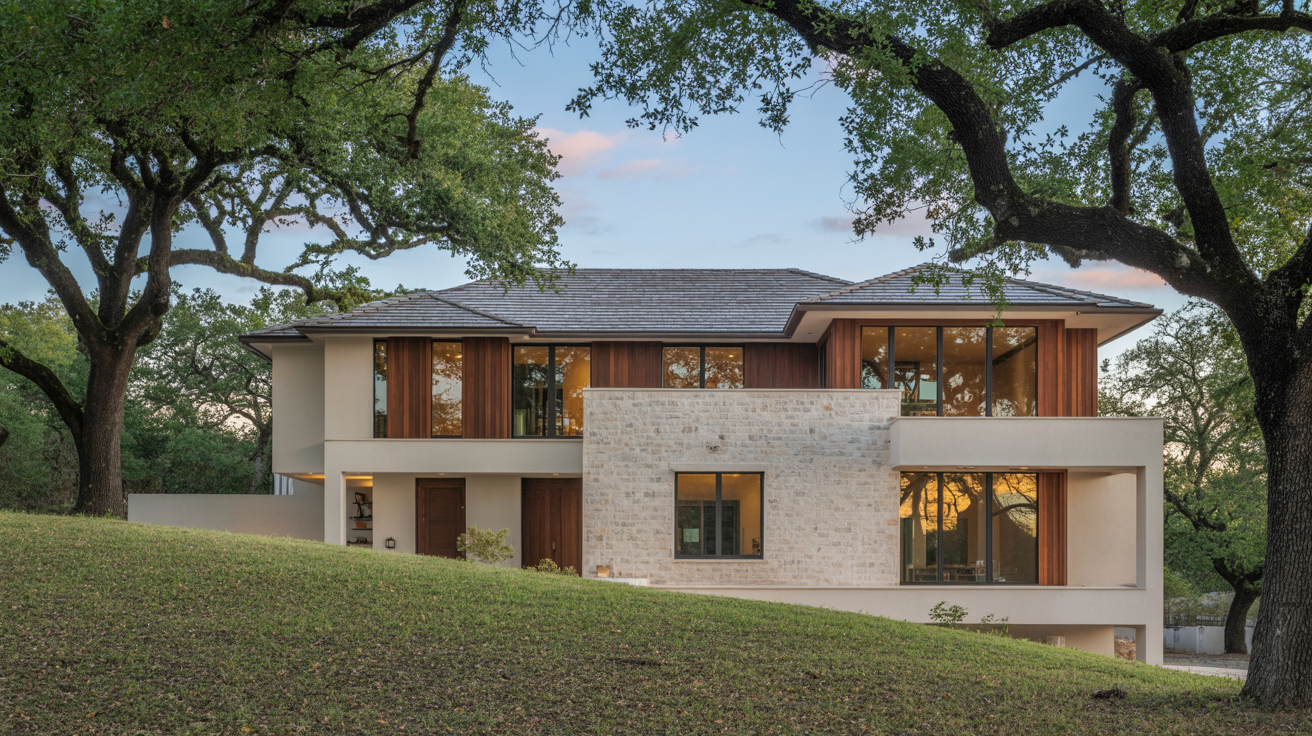
Rollingwood isn't just another Austin suburb. This community has its own personality, its own building requirements, and its own expectations about what fits the neighborhood character. When you're planning a modern renovation here, you're balancing contemporary design preferences—open floor plans, energy-efficient systems, clean lines—with the established architectural DNA of the area. That balancing act requires someone who knows the landscape, literally and figuratively.
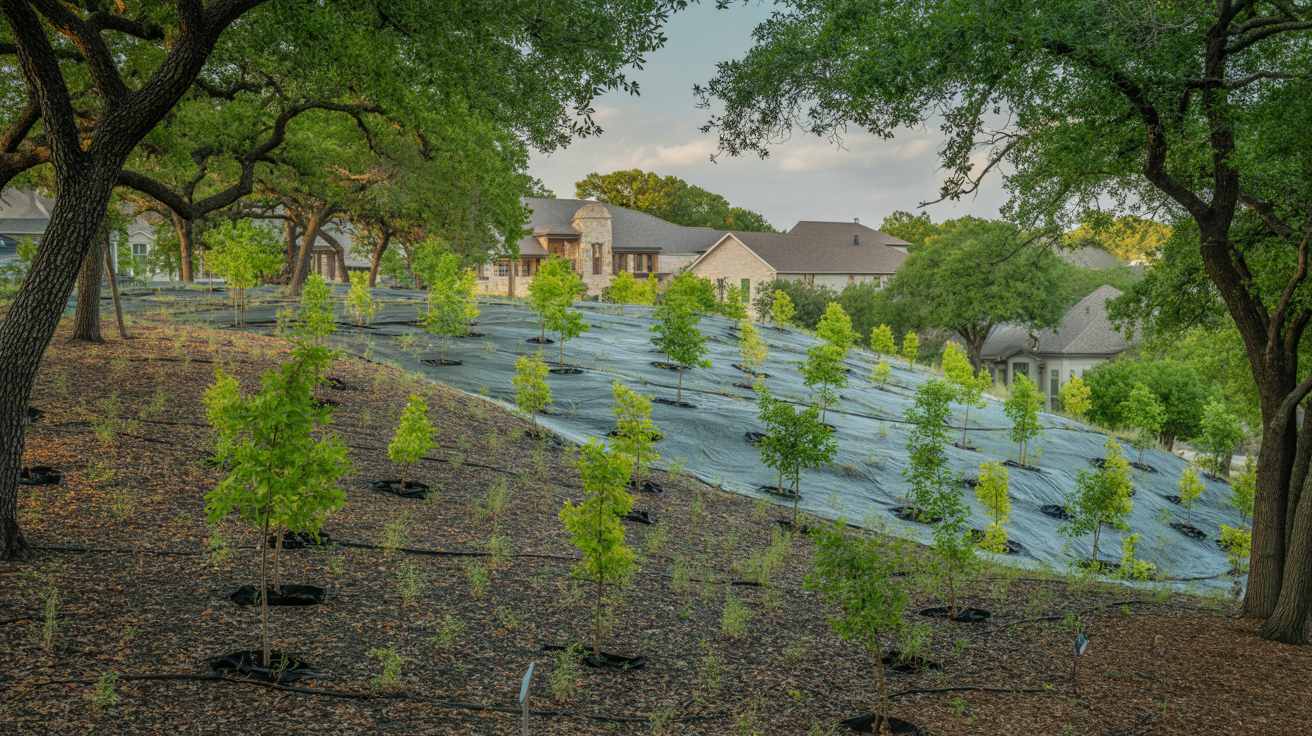
I've worked throughout Central Texas long enough to understand that every neighborhood has quirks. Rollingwood properties often sit on terrain with elevation changes, mature trees worth protecting, and soil conditions that influence everything from foundation work to drainage solutions. Your contractor needs to anticipate these factors before breaking ground, not discover them halfway through your project when fixing problems costs triple what prevention would have.
The permitting process in Rollingwood follows specific protocols. Contractors familiar with local building departments navigate inspections smoothly because they've built relationships with inspectors and understand exactly what documentation and sequencing those inspectors expect. When you hire someone who's completed multiple projects in the area, you're benefiting from their institutional knowledge—they know which details matter most to local code enforcement and how to structure timelines around realistic inspection schedules.
Understanding Site-Specific Challenges
Every property presents unique conditions. In Rollingwood, you might encounter bedrock close to the surface, established landscaping that needs protection during construction, or drainage patterns that require thoughtful management. Modern renovations often expand living spaces, add outdoor entertainment areas, or reconfigure floor plans—all changes that interact with your site's natural characteristics.
I approach every project by first understanding what we're working with. That means walking your property, looking at grades and drainage, identifying potential obstacles, and honestly assessing what's realistic for your budget and timeline. Some contractors sell you the dream without mentioning the nightmare scenarios. My approach starts with reality and builds from there.
What Modern Home Renovation Actually Means for Your Project
When homeowners talk about modern renovations, they're usually describing a combination of aesthetic preferences and functional improvements. Clean lines, natural light, open spaces, durable materials, energy efficiency, and smart home technology often top the list. But modernizing a home goes deeper than surface finishes—it's about creating spaces that work for how you actually live.
Modern kitchens aren't just about sleek cabinets and quartz countertops. They're about workflow, storage solutions that make sense, lighting that serves multiple purposes, and appliances that balance performance with energy consumption. Modern bathrooms incorporate water conservation, accessibility features for aging in place, and materials that resist moisture damage while maintaining beauty. Modern living spaces blur indoor-outdoor boundaries, maximize natural light, and create flexible areas that adapt to changing needs.
The technical side of modern renovations involves updated electrical systems to support today's technology demands, HVAC systems that maintain comfort efficiently, insulation that performs in Texas heat, and plumbing that conserves water without sacrificing pressure. These aren't glamorous details, but they're the foundation of renovation success.
Integrating Contemporary Design with Practical Function
I've seen homeowners fall in love with magazine-worthy designs that don't actually work for their lifestyle. Your contractor should ask hard questions about how you use your space before recommending solutions. Do you cook daily or occasionally? Do you entertain large groups or prefer intimate gatherings? How much storage do you realistically need? What's your maintenance tolerance for high-maintenance finishes?
Modern design should enhance your life, not complicate it. That means choosing materials that deliver the aesthetic you want while standing up to Central Texas conditions. It means planning sight lines and traffic patterns that feel natural. It means balancing open concepts with spaces that offer privacy when you need it.
Project Management Makes or Breaks Your Renovation
Here's what I've learned in two decades of construction work: technical skill matters, but project management determines whether you end up satisfied or stressed. The difference between renovations that finish on time and on budget versus those that drag on with endless change orders almost always comes down to how well someone manages the countless moving pieces.
Professional project management means coordinating multiple trades, sequencing work so each phase builds properly on the previous one, managing material deliveries so crews aren't waiting around, tracking actual costs against estimates, and maintaining constant communication with you about progress and decisions. It means anticipating problems before they become crises and having backup plans when weather, supply chains, or unforeseen conditions force adjustments.
At Earth in Motion, I oversee projects personally because I've learned that accountability can't be delegated away. When something goes wrong—and something always goes wrong on complex projects—you need someone who takes ownership of solutions rather than pointing fingers at subcontractors or suppliers. That's the commitment I make to every client.
The Five Foundations of Successful Project Management
Every renovation I manage focuses on five critical areas that determine outcomes. First, safety management protects everyone involved and your property. This means proper site preparation, dust containment, tool security, and daily cleanup that minimizes disruption to your household.
Second, cost management tracks every expense against your budget with transparency. You deserve to know where your money goes, and I provide detailed documentation of costs so there are no surprises. Third, time management keeps work progressing by coordinating schedules, ensuring materials arrive when needed, and sequencing trades efficiently.
Fourth, quality management means inspecting work at each phase to ensure it meets specifications before moving forward. Catching problems early costs far less than fixing them after layers of finished work hide them. Fifth, vendor management ensures subcontractors I bring onto your project are vetted, insured, and held accountable for their portion of the work.
Vetting Your Contractor: Questions That Reveal the Truth
Most homeowners don't know what questions separate legitimate professionals from smooth talkers. After twenty years, I can tell you exactly what matters when you're evaluating potential contractors for your modern Rollingwood renovation.
Start with credentials. Any contractor touching your property should carry proper licensing for Texas, current liability insurance, and workers' compensation coverage. Don't just take their word—ask to see proof and verify it's current. Professional certifications or memberships in industry organizations demonstrate commitment to staying current with best practices and ethical standards.
Next, examine their local track record. Ask specifically about projects they've completed in Rollingwood or similar Austin neighborhoods. Request a portfolio showing modern renovations similar in scope to what you're planning. Most important, ask for references from recent clients and actually call them. People who've been through renovations will share honest insights about communication quality, how the contractor handled problems, and whether the final result matched promises.
Drilling Down on Communication and Process
The contractor you choose becomes your partner for months. You need to know exactly how communication will work. Who serves as your primary contact? How frequently will you receive updates? What happens when you have questions or concerns? Will you have access to schedules and budgets or are you kept in the dark until problems surface?
Ask about their process for handling the inevitable surprises. When you open walls in Rollingwood homes, you might discover outdated wiring, plumbing issues, or structural concerns that weren't visible during planning. How does the contractor manage these situations? What's the protocol for getting your approval before additional work proceeds? How are change orders documented and priced?
Find out about their current workload. Contractors juggling too many projects simultaneously can't give your renovation the attention it deserves. You want someone with capacity to respond quickly when decisions need making or problems need solving.
Understanding What Drives Renovation Costs
Homeowners often approach renovations with unrealistic budget expectations because they don't understand the factors that influence pricing. I never quote numbers without understanding your specific project, but I can explain what drives costs so you make informed decisions.
Project scope and complexity form the foundation. Renovations involving structural changes, additions, or major system upgrades cost more than cosmetic updates because they require engineering, permits, specialized trades, and more extensive work. The size of your project matters—a complete kitchen overhaul obviously costs more than updating countertops and backsplash.
Material selection dramatically impacts your bottom line. Modern aesthetics often feature premium materials—natural stone, custom millwork, designer fixtures, high-efficiency appliances. These choices deliver beauty and performance but come with corresponding price tags. Your contractor should help you understand the cost-benefit relationship of different material options so you make choices that align with your priorities and budget.
Hidden Conditions and Site-Specific Factors
This is where Rollingwood properties get interesting. Site conditions you can't see until work begins often become the most significant cost variables. When we excavate for additions or outdoor features, we might encounter rock requiring specialized equipment, discover drainage issues needing correction, or find that utilities run through areas we planned to build.
Existing home conditions matter equally. Older homes might have electrical systems that need complete updating to support modern loads, plumbing that should be replaced rather than patched, or structural repairs necessary for safety. Responsible contractors account for reasonable contingencies, but surprises still happen.
The industry standard recommendation is setting aside fifteen to twenty percent of your renovation budget for unforeseen costs. That might sound excessive until you're facing it. In my experience, having that buffer means addressing problems properly rather than making compromises you'll regret.
The Design-Build Advantage for Modern Renovations
Traditional renovation approaches separate design from construction—you hire an architect or designer, develop plans, then hire a contractor to build what was designed. This works sometimes, but often creates communication gaps, conflicts between design intent and practical construction, and finger-pointing when problems arise.
The design-build approach integrates both functions under unified management. At Earth in Motion, we work with you from initial concepts through project completion, ensuring design choices account for construction realities, budgets, and timelines from the start. This integration prevents the frustration of falling in love with designs you can't afford or discovering midway through construction that something drawn on paper doesn't work in reality.
When design and construction teams collaborate throughout your project, they solve problems proactively rather than reactively. The designer understands construction constraints and incorporates practical solutions. The builder understands design intent and finds ways to achieve it within budget. You benefit from having one point of accountability rather than mediating between separate parties.
Coordinating Modern Systems and Technologies
Modern renovations increasingly incorporate integrated systems—smart home controls, energy management, advanced HVAC, updated electrical infrastructure—that require coordination across multiple specialized trades. Getting these systems working together properly demands someone who understands how they interact and can coordinate installation sequencing.
I've worked on projects where homeowners tried coordinating separate specialty contractors themselves. The result was electricians and HVAC technicians scheduling conflicts, smart home installers discovering the electrical infrastructure wasn't prepared for their equipment, and delays cascading through the project timeline. Professional project management prevents these coordination failures.
Handling Common Rollingwood Renovation Challenges
Every established neighborhood presents recurring challenges contractors should anticipate. In Rollingwood, elevation changes, mature landscaping, and architectural character create specific considerations for modern renovations.
Site access sometimes proves tricky. Properties with limited street frontage or significant grade changes require thoughtful planning for equipment access and material deliveries. I've managed projects where we needed specialized machinery for excavation or creative solutions for getting materials to work areas without damaging existing landscaping.
Protecting mature trees during construction requires proper planning. Root zones need protection from compaction and grade changes. Branches need clearance for equipment. Your contractor should understand which trees matter most to you and plan work zones that preserve them.
Managing Weather and Seasonal Considerations
Central Texas weather presents year-round construction challenges. Summer heat affects both worker productivity and material performance—concrete curing differently in extreme temperatures, adhesives requiring shade tents, scheduling work for cooler hours. Sudden thunderstorms can flood excavations, delay outdoor work, or damage materials if not properly protected.
Experienced local contractors build weather contingencies into schedules. We monitor forecasts, protect work areas, and have backup plans for weather delays. This proactive approach minimizes disruptions and keeps projects moving forward despite Texas weather unpredictability.
Protecting Your Property During Construction
Renovation work is inherently disruptive. Dust, noise, strangers in your home, and daily activity create stress. Professional contractors minimize this disruption through disciplined site management practices.
Your contractor should establish clear protocols for site security, daily cleanup, dust containment, and protection of existing finishes and belongings. At Earth in Motion, we treat your property with the same respect we'd want for our own homes. That means thorough cleanup at the end of each workday, secure storage of tools and materials, and protective coverings for areas adjacent to work zones.
Communication about daily schedules helps you plan around construction activity. You deserve to know when crews will arrive, what work they'll perform, and when particularly noisy or disruptive phases will occur. This advance notice lets you arrange alternative spaces when necessary and sets realistic expectations about temporary inconveniences.
Minimizing Household Disruption
Major renovations sometimes require temporary relocation, especially for kitchen or bathroom work. If you're staying in your home during construction, your contractor should establish clear boundaries between work zones and living spaces, maintain safe pathways through the house, and coordinate work sequencing to maintain minimal functionality.
Dust management matters more than most homeowners realize. Quality contractors use barrier systems, negative air machines when appropriate, and daily cleanup to prevent construction dust from infiltrating your entire home. This isn't just about convenience—construction dust can damage HVAC systems and electronics if not properly contained.
Warranty and Post-Completion Support
Your relationship with your contractor shouldn't end when the last invoice gets paid. Responsible professionals stand behind their work with clear warranties covering both workmanship and materials. Before signing any agreement, understand exactly what's covered, for how long, and what process you follow if issues arise.
At Earth in Motion, I provide written warranties and make myself available for post-project questions or concerns. Sometimes issues emerge after you've lived with renovated spaces for a while—a door that doesn't latch quite right, a drain that runs slow, a switch that's less convenient than expected. These details matter, and I believe in making them right.
Quality contractors also educate you about maintaining your renovated spaces. Modern materials and systems often have specific care requirements. Energy-efficient windows need proper maintenance. Smart home systems need updates. Hardscaping requires seasonal attention. I make sure you understand how to protect your investment.
Sustainable Approaches to Modern Renovation
Modern renovations increasingly incorporate sustainable practices—not just because it's trendy, but because it makes economic and environmental sense. Energy-efficient windows, insulation, and HVAC systems reduce utility costs while improving comfort. Water-conserving fixtures lower consumption without sacrificing performance. Durable materials reduce maintenance and replacement cycles.
Site sustainability matters equally. In Rollingwood, where properties often feature natural terrain and mature landscaping, sustainable approaches preserve these assets rather than bulldozing everything flat. Rain gardens manage stormwater naturally. Permeable surfaces reduce runoff. Native plantings require less irrigation and maintenance than non-adapted species.
At Earth in Motion, I've always believed in working with natural systems rather than fighting them. This approach often proves more cost-effective long-term while delivering better performance. It also aligns with Rollingwood's character as a neighborhood that values its natural setting.
Energy Efficiency Beyond the Obvious
Most homeowners understand that better insulation and efficient appliances save energy, but modern renovations offer less obvious opportunities. Proper window orientation maximizes natural light while minimizing heat gain. Strategic placement of outdoor spaces provides shade that reduces cooling loads. Thermal mass in materials helps moderate interior temperatures.
These design decisions cost little or nothing extra when incorporated during planning but deliver ongoing benefits. Your contractor should understand these principles and incorporate them naturally into renovation designs rather than treating sustainability as an expensive add-on.
Timeline Expectations for Modern Rollingwood Renovations
Homeowners consistently underestimate how long quality renovations take. Comprehensive modern renovations typically span twelve to eighteen months from initial design through final completion, depending on project scope, complexity, and permitting requirements. Smaller focused renovations obviously take less time, but even kitchen or bathroom updates usually require several months when properly executed.
Timeline factors include design development, permit acquisition, material procurement, construction sequencing, and inspection schedules. Rushing any phase creates problems downstream. Design shortcuts lead to construction complications. Inadequate permits cause inspection delays. Material substitutions made to speed delivery often compromise quality.
I've learned to build realistic timelines that account for the actual pace of quality work rather than promising impossible schedules to win contracts. Your contractor should provide detailed timeline breakdowns showing major milestones, explain what might cause delays, and commit to proactive communication if schedule adjustments become necessary.
Critical Path and Sequence Planning
Professional project management identifies critical path activities—work that must complete before subsequent phases can begin. Foundation work precedes framing. Rough plumbing and electrical happen before drywall. Understanding these dependencies helps contractors sequence trades efficiently and identify where schedule compression is possible versus where rushing creates risks.
Material lead times increasingly impact schedules. Custom millwork, specialty fixtures, and some appliances may require months between ordering and delivery. Smart contractors order long-lead items early and plan work sequencing around known delivery schedules rather than letting material delays halt progress.
Making Your Decision: Choosing the Right Partner
After evaluating multiple contractors, how do you actually decide? Trust your instincts, but verify them with facts. The contractor who listens most carefully to your goals, asks thoughtful questions about how you live, and demonstrates genuine interest in solving your specific challenges rather than selling their standard package probably deserves serious consideration.
Review proposals carefully, comparing not just bottom-line numbers but what's included in each quote. Cheaper isn't better if it excludes critical items or relies on lower-quality materials. More expensive isn't necessarily superior if you're paying for overhead or features that don't matter to you.
Look for clear communication and professional documentation. Detailed proposals with itemized costs, specific material specifications, and comprehensive timelines demonstrate organizational capabilities that serve you well during construction. Vague proposals with lump-sum pricing and minimal detail often lead to disputes about what was included.
Red Flags That Should Give You Pause
Certain warning signs suggest moving on to other candidates. Contractors who pressure you to decide immediately or offer significant discounts for signing today are more interested in closing sales than earning your business through quality and trust. Those who can't provide current insurance documentation or verifiable local references may be hiding problems.
Contractors who dismiss your concerns, talk over you, or seem more interested in telling you what you want than listening to what you actually need will likely frustrate you throughout the project. Chemistry matters—you're entering a months-long partnership, and mutual respect forms the foundation.
Be wary of contractors who underbid competitors substantially without clear explanation of why. They're either cutting corners you'll regret or planning to make money through change orders once you're committed. Quality work costs real money, and experienced professionals charge accordingly.
Why I Do This Work
After twenty-plus years in construction, I could have moved purely into management, spending my days in an office reviewing spreadsheets. But I'm still on job sites, still solving problems, still working directly with clients because this work matters. Homes are where families build memories, where you retreat from the world, where your life actually happens. Getting your renovation right impacts your daily experience in ways that last for decades.
My military background taught me discipline, attention to detail, and the importance of completing missions successfully. Those lessons apply directly to construction. Your renovation is a mission with clear objectives, resource constraints, and accountability standards. My job is delivering success.
Earth in Motion operates as a Service-Disabled Veteran-Owned Small Business because I believe in bringing military values—integrity, accountability, commitment to excellence—into civilian construction. I tell you the truth about your project even when it's not what you want to hear, I honor commitments made, and I take responsibility for outcomes rather than making excuses.
I particularly love projects involving site work and creating outdoor spaces because they require understanding natural systems, working with terrain rather than against it, and solving drainage and elevation challenges creatively. Every property is unique, and finding the right solution for your specific conditions requires both technical knowledge and practical experience.
Taking the Next Step
If you're considering a modern renovation for your Rollingwood property, start by clarifying your own goals. What problems are you trying to solve? What lifestyle improvements matter most? What's your realistic budget including appropriate contingency? What timeline works for your family?
Then begin the vetting process methodically. Interview multiple contractors, ask the tough questions outlined earlier, check references thoroughly, and compare proposals carefully. Don't rush this decision—choosing the wrong contractor creates stress and costs that dwarf any time saved by deciding quickly.
When you find a contractor who demonstrates local experience, professional project management capabilities, transparent communication, and genuine interest in your success, you've probably found your partner. Trust is earned through actions over time, but you can identify the foundations of trust in initial conversations.
Whether you're planning a complete home transformation or focused updates to specific spaces, the contractor you choose determines your experience and your outcome. Take the time to choose wisely, and you'll thank yourself throughout the project and for years afterward.
Working with the right modern home renovation contractor in Rollingwood transforms what could be months of stress into a collaborative process that delivers results you'll enjoy for decades—and that's exactly what you deserve from your investment.
Frequently Asked Questions About Modern Home Renovation in Rollingwood
What makes a contractor qualified to handle modern renovations in Rollingwood specifically?
A qualified modern renovation contractor in Rollingwood needs three critical qualifications: local experience with the area's unique terrain and building requirements, technical expertise with contemporary systems and design principles, and proven project management capabilities. At Earth in Motion, I've worked throughout Central Texas for over twenty years, giving me deep familiarity with Rollingwood's elevation changes, mature landscaping protection needs, and local permitting processes. Modern renovations require understanding how to integrate smart home technology, energy-efficient systems, and contemporary design elements while respecting the neighborhood's established character. Most importantly, you need someone who can coordinate all these moving pieces through disciplined project management that keeps work progressing smoothly from design through completion.
How do I know if my renovation budget is realistic for what I want to accomplish?
Renovation costs depend on five key factors: project scope and complexity, material selections, existing home conditions, site-specific challenges, and the quality level you're targeting. Modern renovations involving structural changes, major system updates, or additions cost significantly more than cosmetic updates because they require engineering, permits, and specialized trades. Premium materials that deliver the clean lines and performance associated with modern design—natural stone, custom millwork, high-efficiency appliances—come with corresponding price investments. Hidden conditions like outdated electrical systems, plumbing issues, or Rollingwood's common bedrock challenges can impact budgets. I always recommend setting aside fifteen to twenty percent for unforeseen conditions. The best approach is having an experienced contractor evaluate your specific property and goals to provide realistic cost expectations before you commit to moving forward.
How long should I expect my modern Rollingwood renovation to take from start to finish?
Comprehensive modern renovations typically require twelve to eighteen months from initial design through final completion, depending on project scope and complexity. This timeline includes design development, permit acquisition, material procurement with increasingly long lead times, construction sequencing across multiple trades, and inspection schedules. Even focused kitchen or bathroom renovations usually need several months when properly executed. Rollingwood projects often face site-specific factors like challenging terrain access or mature tree protection that can influence scheduling. At Earth in Motion, I build realistic timelines that account for the actual pace of quality work rather than promising impossible schedules. Critical path activities—work that must complete before subsequent phases can begin—determine the minimum timeline, while material lead times for custom elements increasingly drive schedule planning.
What should I expect in terms of disruption to my daily life during construction?
Professional contractors minimize disruption through disciplined site management, but renovation work is inherently disruptive with dust, noise, and strangers working in your home. The key is working with someone who establishes clear protocols for site security, daily cleanup, dust containment, and protection of your existing belongings. I treat every property with the same respect I'd want for my own home, which means thorough cleanup at day's end, secure tool storage, and protective coverings for areas adjacent to work zones. Major kitchen or bathroom renovations may require temporary relocation or alternative arrangements, but I coordinate work sequencing to maintain minimal functionality when possible. Communication about daily schedules helps you plan around particularly noisy or disruptive phases. Quality dust containment systems prevent construction dust from infiltrating your entire home and damaging HVAC systems or electronics.
How do I evaluate different contractors to find the right partner for my project?
Start with credentials—verify current Texas licensing, liability insurance, and workers' compensation coverage. Then examine their local track record with projects similar to yours in Rollingwood or comparable Austin neighborhoods. Request references from recent clients and actually call them to learn about communication quality, problem-solving approach, and final satisfaction. Pay attention to how contractors listen during initial meetings—those who ask thoughtful questions about how you live and demonstrate genuine interest in your specific challenges rather than selling standard packages usually deserve serious consideration. Review proposals carefully, comparing not just pricing but what's included, material specifications, and timeline details. Warning signs include pressure to decide immediately, inability to provide current insurance documentation, or substantially lower bids without clear explanation. Trust your instincts about chemistry—you're entering a months-long partnership where mutual respect and clear communication determine your experience and outcome.
Hire Us