Bee Cave Home Renovation: Expert Contractor Guide
When you're thinking about hiring a modern home renovation contractor in Bee Cave , you need someone who understands more than just the basics of construction. You need a professional who knows the land, the regulations, and the unique challenges that come with renovating in this beautiful hillside community just outside Austin, TX. I'm Chad Burnell, founder of Earth in Motion, Inc., and over my 20-plus years in construction, I've learned that successful renovations in places like Bee Cave require a different approach than your standard remodeling job. The terrain is tougher, the rules are stricter, and the expectations are higher. Let me walk you through what you really need to know when you're planning to renovate your home in this area.
Understanding What Makes Bee Cave Different for Home Renovations
Bee Cave isn't your typical suburb. This community sits in the Texas Hill Country with its rolling hills, rocky terrain, and strict development standards that protect the character of the area. I've worked on projects throughout Central Texas for two decades, and I can tell you that Bee Cave presents unique challenges that require specific expertise. The city adopted a comprehensive Unified Development Code back in 2022 that consolidated all their zoning, subdivision, signage, and landscaping requirements into one document. This means that your renovation project isn't just about making your home look better—it's about making sure every aspect of your project fits within a detailed set of rules designed to preserve the community's aesthetic and environmental integrity.
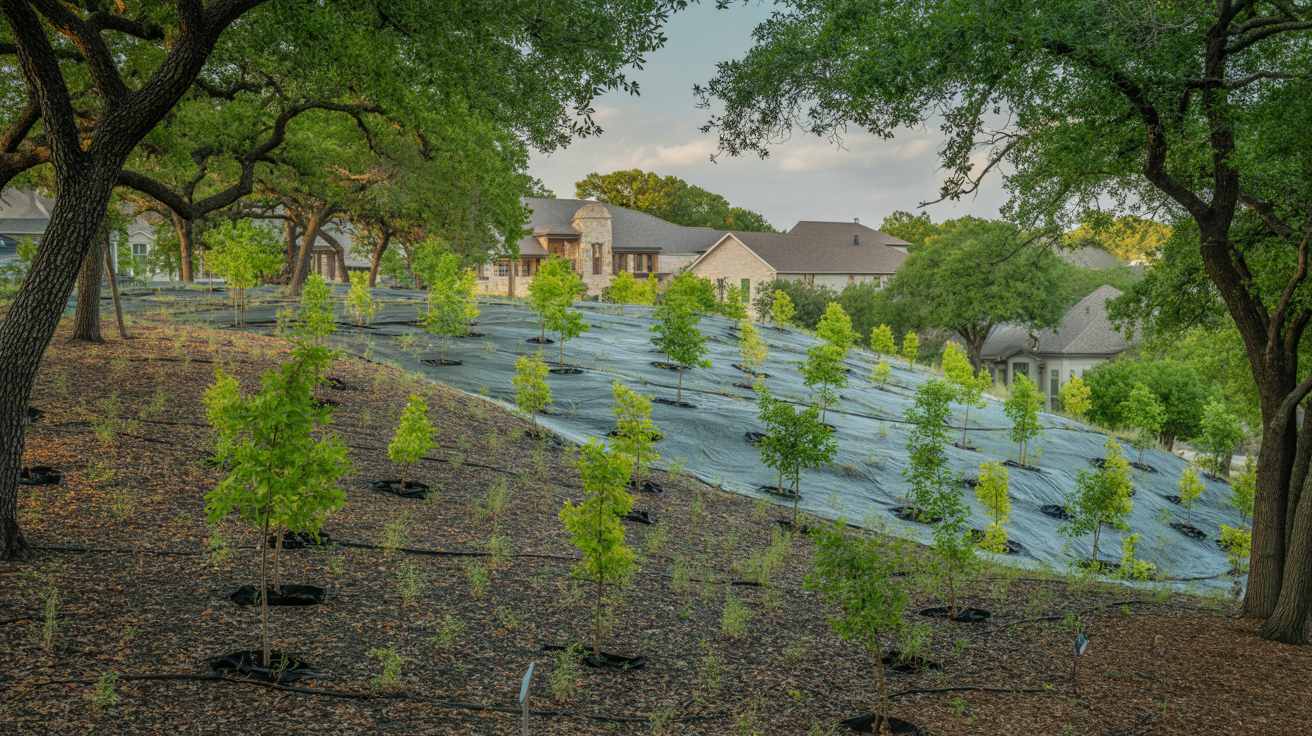
When you're working in Bee Cave, you're dealing with hillside terrain that affects everything from foundation work to drainage. I remember working on a project years ago in Colorado where we had similar terrain challenges. The slope of the land dictates how you approach excavation, how you manage stormwater runoff, and even how you position your equipment during the build. In Bee Cave, you add another layer of complexity because you're often working near the Edwards Aquifer recharge zone and the Barton Creek watershed. These environmental protections aren't just suggestions—they're serious regulations that affect your timeline and your approach to the work.
The Permit Requirements You Need to Know
Let me be straight with you about permits. Not every project requires one, but many renovation activities do. If you're planning to relocate interior walls, do electrical work, handle plumbing changes, or build retaining walls taller than four feet, you're going to need permits and inspections. I've seen homeowners get frustrated because they didn't realize their project required city approval, and suddenly their timeline gets pushed back weeks or even months. At Earth in Motion, we start every project by understanding exactly what the city requires. That's not just good business—it's the only way to avoid costly delays and rework.
Here's what typically requires permits in Bee Cave:
- Interior wall relocation or removal that affects your home's structure
- Electrical system modifications including new circuits, panel upgrades, or rewiring
- Plumbing changes such as moving fixtures, adding bathrooms, or rerouting pipes
- Retaining walls exceeding four feet in height, which are common on hillside properties
- Structural modifications to your foundation, roof, or load-bearing elements
On the other hand, some work doesn't require permits. Interior painting, minor landscaping, and cosmetic updates usually fall into this category. But here's my advice from 20 years of experience: when in doubt, check with the city. It's better to ask the question upfront than to deal with stop-work orders or failed inspections later.
Why Local Expertise Matters More Than You Think
I founded Earth in Motion back in 2005, and one of the core principles I've always operated on is this: you can't do quality work in an area unless you understand that area deeply. This isn't just about knowing where to get materials or which subcontractors are reliable. It's about understanding the specific geological conditions, the regulatory environment, and the design standards that make each community unique. When you hire a contractor who doesn't have experience in Bee Cave, you're essentially asking them to learn on the job—with your money and your timeline at stake.
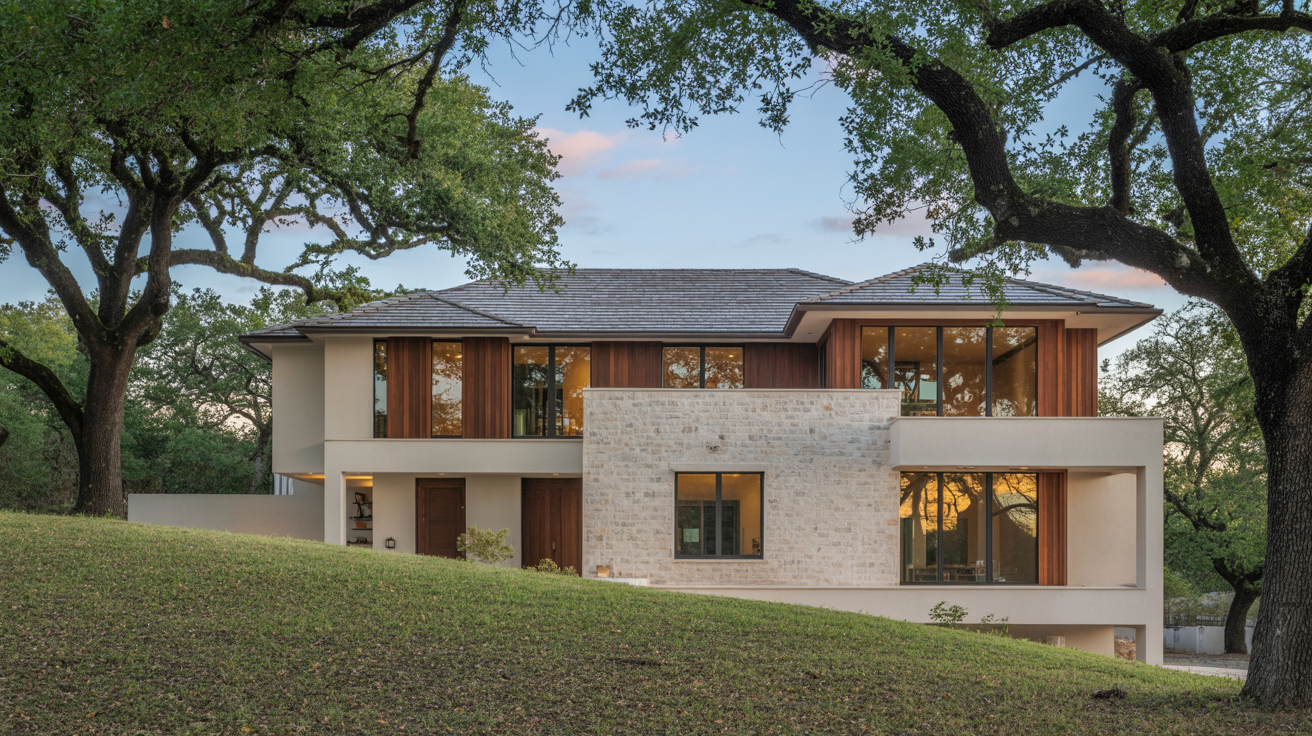
Bee Cave maintains specific architectural standards that influence your renovation choices. The city wants homes and developments that fit the Hill Country aesthetic. That means earth-toned color palettes, specific roofing materials that complement the natural landscape, and design elements that don't clash with the community's character. If you're planning a modern renovation that incorporates contemporary design elements, you need a contractor who knows how to balance your vision with the city's expectations. This isn't about compromising your goals—it's about achieving them in a way that works within the framework you're operating in.
Hillside Terrain and Site-Specific Challenges
The hillside terrain in Bee Cave creates challenges that flat-land contractors simply aren't equipped to handle. I've spent years working with difficult terrain, from the rocky slopes of Central Texas to the mountain properties in Colorado, and I can tell you that elevation changes affect every aspect of your renovation. Your drainage systems need to be designed differently. Your foundation work requires more careful planning. Even the logistics of getting materials to your property and managing equipment becomes more complex when you're working on a slope.
Tree preservation is another critical factor in Bee Cave. The city has requirements about which trees you can remove and which ones must be protected during construction. This isn't just about environmental regulations—though those matter too. It's about maintaining the character of your property and the neighborhood. At Earth in Motion, we've developed methods for working around existing trees, protecting root systems during excavation, and incorporating mature vegetation into your renovation design. This adds value to your property and keeps you in compliance with local rules.
The Real Factors That Drive Your Renovation Costs
Let me talk honestly about pricing. I won't give you specific dollar amounts because every project is different, and anyone who quotes you a price without thoroughly understanding your property and your goals isn't being straight with you. But I can explain the factors that influence your costs, and understanding these factors helps you make better decisions about your renovation.
Project scope and complexity drive costs more than anything else. A kitchen renovation where you're updating cabinets and countertops is fundamentally different from a kitchen renovation where you're relocating plumbing, moving walls, upgrading electrical service, and reconfiguring the layout. Whole-home renovations that involve structural changes, multiple systems, and coordination across different spaces cost significantly more than targeted updates to individual rooms. This isn't about contractors trying to maximize their fees—it's about the reality of the work involved.
How Bee Cave's Regulations Impact Your Budget
The regulatory environment in Bee Cave adds specific costs that you might not encounter in other communities. If your project requires design review, environmental impact assessments, or work within the Barton Creek watershed, you're looking at additional engineering documentation, extended timelines for approval, and coordination with city planning departments. These aren't unnecessary expenses—they're the requirements for working in a community that takes its environmental protections and design standards seriously.
Material quality and sourcing decisions significantly influence your costs. When you choose premium finishes, locally-sourced materials, or specialized products that meet specific durability requirements, your material costs increase. But here's what I've learned over 20 years: cutting corners on materials to save money upfront almost always costs you more in the long run. Cheap materials fail faster, look worse sooner, and require more maintenance. At Earth in Motion, we source quality materials that make sense for your specific project and budget, and we explain the trade-offs so you can make informed decisions.
Site-specific challenges drive costs in ways that aren't always obvious upfront. Bee Cave's hillside terrain, tree preservation requirements, and stormwater management needs can increase your construction expenses. If your property has difficult access, poor soil conditions, or requires significant excavation work, these factors affect pricing. Contractors with experience managing these challenges can give you more accurate estimates because they know what to look for during the initial assessment.
What Design-Build Really Means for Your Renovation
The term "design-build" gets thrown around a lot in the construction industry, but let me explain what it actually means and why it matters for your renovation. Traditional construction projects separate the design phase from the construction phase. You hire an architect to design your renovation, then you hire a contractor to build what the architect designed. This creates communication gaps, coordination problems, and situations where the design doesn't account for construction realities.
Design-build integrates these phases. Your contractor is involved from the beginning, working with you to develop a design that's both beautiful and buildable. This approach saves you time and money because construction considerations inform the design process from day one. We're not designing something that sounds good on paper but turns out to be impractical or unnecessarily expensive to build. We're creating a renovation plan that achieves your goals efficiently.
The Consultation Process That Sets Projects Up for Success
At Earth in Motion, every project starts with a thorough consultation. I want to understand your property, your vision, your budget, and your timeline. But I also want to identify potential challenges before we commit to a specific approach. This means walking your property, understanding the existing conditions, identifying regulatory requirements, and discussing how we can achieve what you want within the constraints we're working with.
During this process, we're looking at things like:
- Your property's topography and how elevation changes affect the renovation approach
- Existing drainage patterns and how your renovation might impact stormwater management
- Tree locations and preservation requirements that influence the construction footprint
- Soil conditions that affect foundation work or excavation needs
- Access considerations for equipment and materials during construction
- Utility locations and any necessary service upgrades
This upfront work prevents surprises later. I've been in construction long enough to know that problems discovered during demolition or excavation are far more expensive to fix than issues identified during the planning phase. The consultation process is where we catch those potential problems and design solutions before they become costly delays.
Managing Timelines in Bee Cave's Regulatory Environment
Let's talk about project timelines because this is where realistic expectations really matter. Renovation projects in Bee Cave take longer than similar projects in less regulated communities, and that's not because contractors are slow—it's because the approval and permitting process adds time to your project. The city recently streamlined their Special Use Permit process in 2024, which helps, but you still need to account for design review, permit approval, and inspection schedules when planning your renovation.
A typical renovation project breaks down into several phases. First, you have the design and planning phase where we're developing your renovation plan, creating detailed drawings, and preparing permit applications. This phase can take several weeks to a few months depending on your project's complexity. Then comes the permitting phase where the city reviews your plans and issues the necessary permits. This timeline varies based on the complexity of your project and the current workload at the city planning department.
What Happens During the Construction Phase
Once we have permits in hand, construction begins. For a major renovation, we typically start with demolition and removal of existing materials. Then we move into the structural phase where we're handling foundation work, framing changes, or other structural modifications. Next comes the rough-in phase for electrical, plumbing, and HVAC systems. After inspections on those systems, we move into the finishing phase where we're installing drywall, trim, flooring, cabinets, and fixtures. Finally, we handle the final touches—paint, hardware, landscaping restoration, and cleanup.
Each phase has specific inspection requirements, and you can't move to the next phase until the previous inspections pass. This is why having a contractor who understands Bee Cave's inspection process matters so much. We know what inspectors look for, we build to those standards from the start, and we schedule inspections efficiently to keep your project moving forward.
Contingency planning is critical for hillside properties. I've worked enough challenging sites to know that you need to expect the unexpected. Rock that's harder than anticipated, underground water issues, or structural conditions that weren't visible during the initial assessment—these things happen. A good contractor builds contingency into the schedule and communicates clearly when challenges arise. At Earth in Motion, if we encounter an issue that affects your timeline or budget, you know about it immediately, along with our recommended solution.
Material Selection and Long-Term Durability
The materials we use in your renovation affect both your immediate costs and your long-term satisfaction with the project. I've seen too many homeowners choose materials based solely on initial price, only to regret that decision a few years later when those materials show wear, require excessive maintenance, or need premature replacement. Durable materials cost more upfront but save you money over the life of your home.
In Bee Cave specifically, your material choices need to account for the local climate and environmental conditions. We're dealing with hot Texas summers, occasional freeze events in winter, intense UV exposure, and the possibility of drought conditions. Materials that work well in other climates might not be the best choice for Central Texas. This is where experience matters. Over 20 years, I've learned which materials hold up in our environment and which ones deteriorate faster than expected.
How Bee Cave's Standards Influence Material Choices
The city's design standards also influence material selection. If you're doing exterior work, you need to consider how your material choices fit with Bee Cave's architectural guidelines. This doesn't mean your options are limited—it means your contractor needs to understand how to select materials that achieve your aesthetic goals while meeting community standards. We're talking about roofing materials that complement the Hill Country setting, siding or stone work that fits the earth-tone palette the city prefers, and window styles that meet the decorative requirements for certain types of projects.
Material sourcing partnerships matter more than most homeowners realize. At Earth in Motion, we've built relationships with reliable suppliers over the years. This means we can source quality materials consistently, often with better lead times than contractors without established supplier relationships. When material shortages or supply chain issues arise—and they do—having strong supplier partnerships means we can keep your project moving forward instead of waiting weeks for back-ordered items.
The Importance of Transparent Communication Throughout Your Project
I believe that communication failures cause more renovation problems than construction mistakes. When homeowners don't know what's happening with their project, when contractors don't explain delays or changes clearly, or when expectations aren't aligned from the start, that's when projects go sideways. At Earth in Motion, we've built our reputation on clear, honest communication from the first consultation through final completion.
You should know what's happening with your project at all times. This means regular updates on work progress, clear explanations when we encounter challenges, and immediate communication if anything affects your timeline or budget. I've been doing this long enough to know that surprises are rarely good news in construction. We work hard to eliminate surprises through thorough planning and proactive communication.
What Questions You Should Ask Any Contractor
Before you hire any contractor for your Bee Cave renovation, you need to ask specific questions. Don't just accept vague answers or impressive portfolios—dig into the details that reveal whether a contractor really understands your project's requirements. Here are the critical questions:
- What specific experience do you have with renovations in Bee Cave? Look for detailed answers about past projects, challenges they've handled, and their understanding of local regulations.
- How familiar are you with Bee Cave's Unified Development Code and permitting process? A contractor should be able to explain the permit requirements for your specific project and the typical timeline for approval.
- What's your approach to site assessment and identifying potential challenges? This reveals whether they do thorough upfront work or just quote based on your description.
- How do you handle unexpected issues that arise during construction? Every project encounters something unexpected. You want a contractor who has a clear process for addressing problems and communicating with you about solutions.
- What does your warranty cover and for how long? Understanding warranty coverage protects you if issues arise after project completion.
- Can you provide references from recent projects similar to mine? Talking to past clients gives you insight into how the contractor actually operates, not just how they present themselves.
Pay attention to how contractors answer these questions. Are they specific and detailed, or vague and dismissive? Do they seem knowledgeable about Bee Cave's specific requirements, or are they giving generic answers that could apply anywhere? These differences tell you a lot about whether they have real local expertise or whether they're just trying to win your business.
Why Quality Workmanship Matters More Than Low Bids
I'm going to level with you about something that frustrates me in this industry. Too many homeowners make hiring decisions based primarily on who gives the lowest bid. I understand the appeal—everyone wants to save money. But the lowest bid often comes from contractors who are either inexperienced, cutting corners on materials or labor, or simply don't understand the full scope of what your project requires. Cheap work costs more in the long run because you end up paying to fix problems, redo substandard work, or deal with failures that could have been avoided with quality workmanship from the start.
Quality craftsmanship shows up in details that might not be obvious during the construction phase but become critical over time. Properly flashed windows that don't leak. Drainage systems that actually work during heavy rain. Foundations that account for soil conditions and won't settle unevenly. Electrical work that's not just code-compliant but designed to handle your actual power needs safely. Plumbing that doesn't develop leaks because connections were done right the first time.
The Service-Disabled Veteran-Owned Perspective
As a military veteran and the founder of a Service-Disabled Veteran-Owned Small Business, I bring certain values to every project. My military experience taught me about attention to detail, following procedures, and the importance of reliable execution. When you're in the military, doing things the right way isn't optional—it's essential because lives depend on it. I apply that same mindset to construction. Your home renovation might not be life-or-death, but it's a significant investment that deserves serious, professional attention.
The values I learned in military service—integrity, commitment, excellence—guide how Earth in Motion operates. When I give you my word about what we'll do and when we'll do it, that's not just talk. It's a commitment I intend to keep. When we encounter a problem, we don't hide it or make excuses. We address it directly and work toward solutions. These aren't just nice-sounding principles—they're how we actually operate on every project.
Specialized Skills That Matter for Hill Country Renovations
Renovating in the Texas Hill Country requires specific expertise that goes beyond standard construction knowledge. Over my 20-plus years in this industry, I've developed skills that directly address the challenges you face when building or renovating in this environment. Understanding limestone geology and how it affects excavation and foundation work matters when most of your property sits on solid rock. Knowing how to manage drainage on sloped terrain prevents the water damage and erosion problems that plague poorly planned hillside projects.
I have a particular passion for water features and custom ponds, which relates directly to understanding site drainage and water management. When you're working on a hillside property in Bee Cave, managing stormwater isn't just about meeting code requirements—it's about protecting your investment. Poor drainage can undermine foundations, cause erosion, damage landscaping, and create ongoing maintenance headaches. We design drainage solutions that work with your property's natural characteristics rather than fighting against them.
Environmental Protection Requirements
Bee Cave's location near the Edwards Aquifer recharge zone and within the Barton Creek watershed creates environmental protection requirements that affect your renovation. These aren't just bureaucratic hurdles—they're important protections for the water resources that Central Texas depends on. But they do require specific expertise to navigate successfully.
Projects within environmentally sensitive areas often require additional documentation, specific erosion control measures, and stormwater management systems designed to prevent contamination of groundwater. At Earth in Motion, we understand these requirements and build them into our planning from the start. We're not figuring out environmental compliance as we go—we're designing your project to meet these standards efficiently.
What Full-Service Renovation Actually Includes
When I say Earth in Motion offers full-service renovation, I mean we handle every aspect of your project from initial design through final completion. You're not coordinating between multiple contractors, trying to schedule different trades, or managing communication between separate companies. You're working with one team that's accountable for the entire project.
Full-service capability means we can handle kitchen renovations that completely transform your cooking and gathering space. We manage bathroom remodels from basic updates to luxury spa-like retreats. We tackle whole-home renovations that change your floor plan, update multiple systems, and modernize your entire living space. Exterior improvements including landscaping, drainage, retaining walls, and outdoor living spaces fall within our scope. We even handle commercial projects when clients need renovation work on business properties.
The Integration Advantage
The advantage of full-service capability is integration. When the same team handles your design, permits, excavation, foundation work, framing, systems installation, and finishing, everything works together seamlessly. Your electrical design accounts for your lighting plan and your future technology needs. Your plumbing layout supports your fixture choices and water efficiency goals. Your HVAC system is sized properly for your home's actual heating and cooling loads after renovation. These connections between different aspects of your project don't happen automatically—they require intentional coordination that only happens when one team manages the entire scope.
This integrated approach also protects you from one of the biggest renovation nightmares: the finger-pointing game when something goes wrong. If you're coordinating multiple contractors and a problem arises, everyone blames someone else. The electrician says the problem is the plumber's fault. The plumber says it's a framing issue. The framer says the foundation is the problem. You waste time and money figuring out who's responsible instead of getting the problem fixed. When you work with one full-service contractor, accountability is clear. We own the entire project, which means we own any problems and their solutions.
How Different Renovation Types Present Unique Challenges
Not all renovations are created equal, and understanding the specific challenges of different project types helps you plan more effectively. Kitchen renovations often involve significant plumbing and electrical work because modern kitchens demand more power and more complex fixtures than older homes were designed to provide. You're also dealing with careful coordination between cabinet installation, countertop fabrication, appliance delivery, and finishing work. The sequence matters because mistakes in timing can delay your entire project.
Bathroom renovations present their own set of challenges. Water management is critical because bathrooms involve significant plumbing, and any moisture issues can create expensive problems down the line. Proper waterproofing in showers, correct drainage slopes, adequate ventilation to prevent mold—these technical details make the difference between a bathroom that lasts decades and one that develops problems within a few years.
Whole-Home Renovation Complexity
Whole-home renovations are the most complex projects because they involve coordinating work across your entire house while managing multiple systems simultaneously. Often, you can't live in your home during a major whole-home renovation, which means we need to complete the work efficiently to minimize the time you're displaced. These projects require excellent project management because delays in one area cascade into delays across the entire project.
Exterior renovations in Bee Cave often involve significant site work because of the hillside terrain. Retaining walls need proper engineering and permitting when they exceed four feet in height. Drainage solutions must account for the slope of your property and prevent erosion or water intrusion. Tree preservation requirements affect where we can work and what equipment we can use. These factors make exterior renovations more complex than they might seem at first glance.
Why Your First Conversation Matters So Much
The initial consultation sets the tone for your entire renovation project. This is where we establish whether we're a good fit for each other, where we start to understand your goals and constraints, and where we begin identifying the approach that makes sense for your specific situation. I've learned over 20 years that good projects start with good communication, and that begins in the first conversation.
During this consultation, I'm listening more than talking. I want to understand what you're trying to achieve, why you're pursuing this renovation now, what concerns you have, and what constraints you're working within. But I'm also assessing your property, identifying potential challenges, and starting to formulate an approach that addresses your goals realistically.
The Honest Assessment That Saves Money and Frustration
Part of my job during this initial consultation is to give you an honest assessment of what's realistic for your property and budget. If what you're hoping to accomplish doesn't align with site constraints or budget realities, I'd rather tell you that upfront than take your money and deliver disappointing results. I've turned down projects where I didn't think I could deliver what the client wanted within their constraints. That might seem like bad business, but I see it differently. My reputation is built on successful projects, not on taking every job that comes along regardless of whether I can actually deliver quality results.
This honest assessment includes discussing timeline expectations realistically. If your project requires significant permitting and design review, I'm going to tell you that upfront along with realistic timeframes. If your site presents challenges that will add complexity and time to the work, you need to know that before we start, not after you've already committed to the project.
Looking Beyond the Renovation to Long-Term Value
A well-executed renovation does more than solve your immediate needs—it adds long-term value to your property. This means thinking beyond just aesthetics or current function to consider how your renovation will serve you over the years and how it will impact your property's market value if you eventually sell.
Quality renovations in Bee Cave add significant value because buyers in this market appreciate properties that meet the community's design standards, that have been properly permitted and inspected, and that use quality materials and craftsmanship. Renovations that cut corners or ignore regulatory requirements might look fine initially, but they create problems for future sales when buyers conduct inspections and discover unpermitted work or substandard construction.
Maintenance and Warranty Considerations
Part of long-term value comes from understanding maintenance requirements for your renovation and having clear warranty coverage that protects you if issues arise. Different materials and systems have different maintenance needs, and we make sure you understand what's required to keep everything functioning properly. We also stand behind our work with warranty coverage that gives you peace of mind after project completion.
At Earth in Motion, we don't just finish your project and disappear. We're here for the long haul because our business is built on relationships and reputation in the Austin area and surrounding communities like Bee Cave. If you have questions six months after completion, you can reach us. If an issue arises that falls under warranty coverage, we address it promptly. This ongoing relationship is part of what sets experienced, reputable contractors apart from fly-by-night operations.
Whether you're planning a kitchen update, a bathroom remodel, exterior improvements, or a complete whole-home transformation, choosing the right modern home renovation contractor in Bee Cave means finding a partner who brings technical expertise, local knowledge, honest communication, and a commitment to quality that extends far beyond project completion.
Frequently Asked Questions: Modern Home Renovation in Bee Cave
What makes renovating in Bee Cave different from other areas, and how does Earth in Motion handle these unique challenges?
Bee Cave presents specific challenges that require specialized expertise. The hillside terrain affects everything from foundation work to drainage systems, while the city's strict Unified Development Code requires careful attention to design standards and environmental protections near the Edwards Aquifer recharge zone. At Earth in Motion, I've spent over 20 years developing the skills needed for Hill Country renovations. We understand the limestone geology that affects excavation, the tree preservation requirements that influence construction planning, and the stormwater management systems needed to protect your property and comply with watershed regulations. Our experience with challenging terrain from Texas to Colorado has taught us how to work efficiently on sloped sites while maintaining the highest quality standards.
How do you determine what permits are needed for my Bee Cave renovation project?
Permit requirements depend on your specific project scope, and getting this wrong can cause costly delays. During our initial consultation, I thoroughly assess what work you're planning and identify all necessary permits upfront. Projects typically require permits for interior wall relocation, electrical modifications, plumbing changes, retaining walls over four feet, or any structural modifications. At Earth in Motion, we handle the entire permitting process as part of our full-service approach. We prepare detailed drawings that meet Bee Cave's standards, submit applications, and coordinate with city inspectors throughout your project. This eliminates the guesswork and ensures your renovation stays on schedule without permit-related delays.
What factors influence the cost of my renovation, and how can I make informed budget decisions?
Several key factors drive renovation costs, and understanding these helps you make better decisions. Project scope and complexity have the biggest impact—a simple kitchen update costs significantly less than a kitchen renovation involving structural changes, relocated plumbing, and electrical upgrades. Site-specific challenges like Bee Cave's hillside terrain, tree preservation requirements, and environmental compliance add complexity. Material quality choices affect both immediate costs and long-term durability. At Earth in Motion, we explain these cost factors during our consultation and help you prioritize your goals within your budget. Our design-build approach prevents cost surprises because we consider construction realities from the beginning of the planning process.
How long will my Bee Cave renovation take, and what affects the timeline?
Renovation timelines in Bee Cave are longer than less regulated communities due to the design review and permitting process. A typical project includes several phases: design and planning (several weeks to months depending on complexity), permitting and city approval (timeline varies based on project scope), and construction phases from demolition through final finishing. Each phase has specific inspection requirements that must pass before moving forward. At Earth in Motion, we build realistic timelines that account for Bee Cave's regulatory requirements and site-specific challenges. We also plan for contingencies because hillside properties can present unexpected conditions during excavation or construction. Clear communication keeps you informed of progress and any adjustments needed along the way.
Why should I choose a design-build approach with Earth in Motion instead of hiring separate designers and contractors?
Design-build integration eliminates the communication gaps and coordination problems that plague traditional renovation projects. When the same team handles design through construction completion, every system works together seamlessly—your electrical design supports your lighting and technology needs, your plumbing layout accommodates your fixture choices, and your HVAC system properly serves your renovated space. At Earth in Motion, this integration prevents the finger-pointing that happens when multiple contractors blame each other for problems. We own accountability for your entire project, which means faster problem resolution and better results. Our 20-plus years of experience, combined with Service-Disabled Veteran-Owned values of integrity and commitment, ensures your renovation receives the professional attention and quality craftsmanship it deserves.
Hire Us